Episode 24
Healing Childhood Wounds - Moving on with acceptance
I am joined by author Stacy Schaffer to talk about the difficulty of moving on from wounds and trauma from early life. Often we suppress these memories out of feelings of guilt, shame or even ingratitude. And other times these wounds feel ever present and all consuming.
This episode is full of advice and tips for how to reconcile with your early childhood experiences and move on to live a fuller life in the now.
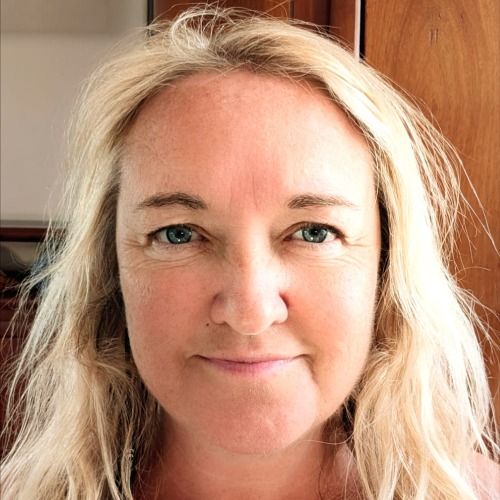
With Stacy Schaffer - Stacy Schaffer, MA, LPC, a dedicated children’s therapist in Arvada, Colorado, has more than twenty years of experience. Specializing in grief and anxiety, she creates a safe space for healing. She loves surfing, kickboxing, reading, and quality time with friends and her golden retriever/therapy dog Willow. With Love from a Children's Therapist is her first book, and she hopes people feel both seen and heard in the pages. - Stacy's Website - @hoperestored on Instagram - Stacy's Facebook page
And your host -
Eleanor Marker - Therapist and life coach - eleanormarker.com
Transcript
Welcome to the Aprika Podcast, because a little advice goes a long way.
Speaker A:Hello and welcome to another episode of the Aprica Podcast, where every week we come to you with a little piece of life advice.
Speaker A:And today I'm joined by Stacy Shaffer, and we are going to be talking about how some of the experiences that we have as children can really dictate our choices and our behaviours when we become adults.
Speaker A:And it's such an interesting topic and it's one you hear quite commonly now, and yet you come at it from quite an interesting angle because you come at it from this idea that sometimes we hide and we almost suppress what we have experienced and that actually can make it worse because these experiences never go away.
Speaker A:But, Stacy, first of all, thank you so much for coming on the podcast today.
Speaker B:Yes, thank you for having me.
Speaker B:I'm really excited to be here.
Speaker A:So your book is really interesting.
Speaker A:It really explores some core ideas about our childhood.
Speaker A:So do tell us a little bit about some of the themes that come through in your book.
Speaker B:Yes, so I've been saying that my book is Art Memoir from Recovery from a Pretty Traumatic Childhood and lessons that I've gathered from experiencing those things.
Speaker B:And also it is a guide from being on the other side of the couch as a child, adolescent, young adult therapist for about 20 years, and things that I've learned along the way, which is why the.
Speaker B:The hashtag is lessons I've learned along the way.
Speaker B:And so it's a combination of both of those things, of, like, what I wish that I was given as a child and also what I've seen that kids of today's generation need.
Speaker B:So the, It's a culmination.
Speaker B:And I'm.
Speaker B:I've been saying that it's for someone who, if you love someone who is 11, or if you ever were 11, to speak to that inner child that we all carry all the time.
Speaker A:Yeah, and it's interesting, isn't it, because I think that there's a period in your life, maybe in your 20s, 20s and sort of early 30s, where you.
Speaker A:You almost leave it all behind, or you think you have and you.
Speaker A:You don't think about it, you move on, you think you've done all your healing and then you have children and there's something about having children that kind of triggers you to go back and think about your own childhood.
Speaker A:I think, and I know that some of the biggest healing I did was after I'd had children, because the way I parented, I. I really wanted to be this, this journey that I was Mindfully choosing.
Speaker A:And that required a certain amount of self analysis.
Speaker A:So tell us then about this idea that there may be experiences that we have as children that we, we don't want to open up, you know, that we don't want to delve into.
Speaker B:I think it's really common when people get activated if there was a trauma or an experience in their childhood that was maybe like unprocessed.
Speaker B:And when a kid they love is that age and like, it's really hard because, you know, I believe in internal family systems.
Speaker B:I don't.
Speaker B:And parts work.
Speaker B:And it's like that there are parts of us that are, that are stuck, that need to be heard and seen.
Speaker B:And so I think some, sometimes that can be a big catalyst for people to do their own work because they're like, I don't want my child to hurt or not get their needs met in a way that perhaps happened to me, and I want to do better.
Speaker B:And so that's a lot of the intention of the book, is to help the next generation do even a little bit better than we had it because we have more information, you know, we have more support, we have more wisdom, we have more of all the things.
Speaker B:We also have more challenge.
Speaker B:But, you know, there's that.
Speaker B:But we, we have access to each other.
Speaker B:And so I wanted to make it something that was like, look, I've been behind the scenes for a while and here's, here's what I want you to know.
Speaker A:One of the biggest blockers that I think people have, particularly people in their 40s and 50s, that kind of generation that when it comes to examining their childhoods, they're quite reticent to apportion any kind of blame.
Speaker A:They tend to say things like, yeah, but I was always well fed, they always made sure I had food on the table.
Speaker A:I was never harmed.
Speaker A:I had all my material things that I could have asked for.
Speaker A:And they really don't want to point fingers.
Speaker A:It's almost like they see that generational difference that you were talking about there and they sort of, they don't want to judge their parents too harshly.
Speaker A:And I think it's very compassionate and very, very loving.
Speaker A:But it does also stop you a little bit from going back into some of the other things that you didn't get when you're a child.
Speaker A:What do you think?
Speaker B:Oh, no, I would totally agree with that.
Speaker B:So my mom died when I was newly 22, and the, the mom that died would have no understanding of my career.
Speaker B:Like, what do you mean?
Speaker B:You talk about feelings of Children all day, they have them.
Speaker B:And so I think, like, that, that in and of itself would be confusing, but something I've been saying a lot of lately is that, you know, when I've been asked like, the kind of pillars of what I believe, something that, that is circling around and around in my head is we always say kids are resilient, kids are resilient.
Speaker B:The kids will be fine.
Speaker B:But what are the adults in therapy talking about?
Speaker B:Their childhoods.
Speaker B:And so we need to stop using that as our cop out that, like, well, of course they're resilient.
Speaker B:What choice do they have?
Speaker B:Right.
Speaker B:Like, you, you gotta move on.
Speaker B:And you, you have to make choices in order to live the life that you want to lead.
Speaker B:But also, why don't we give kids more tools so that adulthood doesn't have to feel as hard?
Speaker B:Because comparative suffering, it's just never really helpful.
Speaker B:You know, like the whole, like, kids are starving in Africa.
Speaker B:That's not gonna change if you don't, like, finish your food like that.
Speaker B:It doesn't.
Speaker B:It's not helpful to the kids in Africa.
Speaker B:Looking honestly at what we were given and what was lacking is a better approach.
Speaker A:Yeah.
Speaker A:And I think that is quite a common one, isn't it?
Speaker A:Is.
Speaker A:People say, well, a lot of people had it worse than me.
Speaker A:You know, my, my childhood wasn't that, but I can't really complain that much.
Speaker A:And again, when, when I hear that, it's.
Speaker A:It's reasonable and it's rational and it's true.
Speaker A:It also sounds like a blocker in some ways, doesn't it?
Speaker B:Well, and, and yes.
Speaker B:And also, I just, I believe that the issues, they come out sideways if we're not talking about them.
Speaker B:They come out anyway.
Speaker B:Like, I've explained to kids before about passive aggressiveness, and I'm like, have you ever seen anyone that, like, they're slamming doors, but they're telling you, no, I'm fine, I'm fine.
Speaker B:Like, talking about stuff now prevents it from coming out in ways that you don't want it to.
Speaker B:And so it's like when, you know, when people say, like, well, you know, like, I. I made it and like, and I'm fine.
Speaker B:Well, you're.
Speaker B:You're kind of a jerk to people in customer service, so maybe you're not fine.
Speaker B:I think, like, getting really honest that we all have challenges and that we all have areas of opportunity is.
Speaker B:Is a better strategy than.
Speaker B:I had it better than some people, because.
Speaker B:Of course you did, but you also had it more challenging than others.
Speaker B:If we're going to go that route.
Speaker A:Yeah, completely.
Speaker A:And when you talk there about it coming out sideways, you mentioned about passive aggressive behavior being one signal that maybe there's things that you haven't processed through.
Speaker A:What are the other things that as adults we might see as signs that maybe there's things under the surface that maybe we don't even know or we've suppressed them so long that they become normalized or whatever?
Speaker B:Yeah, I mean, I think that like having a sensitivity or aversion to like to certain things but not really connecting to the why, you know, I know that it's really important for me to not view certain kinds of like movies that are like, that are violent, that, you know, there's a bunch of different kinds of trigger warnings.
Speaker B:I think awareness of, of those things, like, is probably really important.
Speaker B:Like had a really strong reaction and I don't know why kind of thing.
Speaker B:Like, well, it's probably connected to something else.
Speaker B:I think defensiveness is a, is a really big one.
Speaker B:I see parents all the time that they bring their kids to me and say, I think I've screwed up my kid.
Speaker B:And I'm like, well your kid is being raised by humans, so let's start there.
Speaker B:And let, let's kind of own our humanity.
Speaker B:So I think, I think if we hold a defensiveness that like, no, like I, like I'm, I'm good at all the things and I don't have significant challenges, it might be, it might be worth looking at.
Speaker B:What do the people around you say?
Speaker B:We are all in relationships, right.
Speaker B:There might be areas where we are opposing a challenge that we don't see, but the people in our lives see it because it's a blind spot, you know, and to get really honest of like, yeah, it is, it is hard to approach you at certain kind of things.
Speaker B:Like I, like all the time kids tell me that they don't want to tell a parent about a certain behavior that is upsetting to the child.
Speaker B:Because I hear this like all the time because they're, they, they're like my parent and I'm like, I can try to communicate to them.
Speaker B:They're like, no, because my parent is going to say, oh yes, because I'm the worst parent ever, because I didn't do that.
Speaker B:And they're like, it's just going to make it worse.
Speaker B:And I think that that kind of response, like, is defensiveness and for good reason.
Speaker B:Like, you're doing a million things for these children and like, you're like, oh, the one thing.
Speaker B:But I think it's important to look at why we're defensive, why we have a reaction to things.
Speaker A:Yeah, I know that I had a really, really similar response a couple of years ago.
Speaker A:I've obviously tried very hard to bring my children up, you know, as perfectly as humanly possible.
Speaker A:But as you say, humanly possible is the caveat there.
Speaker A:And I.
Speaker A:My door.
Speaker A:My daughter was talking to me a few years ago when she was about 13, 14, and she said, oh, yeah, I remember that time when we went to a gift shop and you wouldn't let me buy something.
Speaker A:And I was like, when?
Speaker A:Like, when was that?
Speaker A:And she was like, no, it definitely happened.
Speaker A:I was like, no, I do not remember ever saying, no, you can't have something.
Speaker A:Like, not just like that.
Speaker A:Not just, like, out of nowhere, just say, no, you can't have it.
Speaker A:And.
Speaker A:And I got really defensive because I was like, I'm sure I didn't do that.
Speaker A:And it was such a small thing, but it wasn't a small thing to her, obviously.
Speaker A:But, yes, you try so hard, and then they say something, and you're like, no, what really did.
Speaker A:I know.
Speaker A:I don't think I did.
Speaker A:Because you just.
Speaker A:You.
Speaker A:You feel like you're always on it, trying to do it right.
Speaker A:And then somebody, your child says, oh, no, actually, maybe you got that wrong.
Speaker A:And you're like, no, no, I didn't.
Speaker A:I didn't get that wrong.
Speaker A:And defensiveness is the very first thing.
Speaker A:And then you almost have to pause and take a step back and be like, okay, but even if it isn't true, it's true for them, right?
Speaker B:It's their experience.
Speaker B:Well, yeah, and that's the thing.
Speaker B:And I'm always encouraging kids and teens, like, to give more grace to these parents.
Speaker B:You know, they're like, they.
Speaker B:They.
Speaker B:You know, if there's, like, a pronoun thing, they got it wrong one time.
Speaker B:I'm like, they're trying.
Speaker B:You know, they're.
Speaker B:They're trying so hard.
Speaker B:And so I. I think it's challenging.
Speaker B:And I think even people, like, listening to a podcast like this, bringing your kid to counseling, picking up a book, like, you're doing better than previous generations already.
Speaker B:You know, I.
Speaker B:This current generation has parents that, like, I've apologized to them.
Speaker B:You know what?
Speaker B:I can not remember a single time I was apologized to as a child.
Speaker B:That in and of itself is, like, amazing to me.
Speaker B:You know, there's, like, memes that's like, yeah, this generation, like, I've apologized to my kid, like, five times before breakfast.
Speaker B:You know what Is that.
Speaker B:And so I. I think people.
Speaker B:My book is intentionally called With Love because it's intentionally, like, I. I want it to come from a place of humility that, you know, a lot of times people like, oh, you're a children's therapist.
Speaker B:Like, I.
Speaker B:Like, I feel like I'm being looked at at all the things I do wrong, and I'm like, that's not it at all.
Speaker B:I have so much respect for parents, anyone who wants to make a difference in the life of a child.
Speaker B:You might not have, like, a million degrees or all of the skills or, like, in the chair, but you care.
Speaker B:And that's bigger than we give credit to.
Speaker A:Yeah, absolutely.
Speaker A:Like you say, just turning up to therapy is better than sort of.
Speaker B:Oh, my gosh.
Speaker B:Absolutely.
Speaker B:Yeah.
Speaker B:Like, I mean, I think sometimes of family therapy situations that I do and that, like, I'll only do it if the conditions are like that.
Speaker B:I feel like there won't be backlash kind of at home, because I know that for me, I would have never participated, like, honestly in family therapy because I'd have to go home with these people, you know, like, sure, at the end of 50 minutes, we're all going home together.
Speaker B:And so I think, you know, setting some of those.
Speaker B:Those foundations of wanting to do better is huge.
Speaker A:Yeah, I agree.
Speaker A:It was interesting when you were talking then about the other ways that these issues might kind of leak out sideways, as you said, when you're an adult.
Speaker A:And one of the ones that I tend to notice when.
Speaker A:Is when people are very shut down to their emotions.
Speaker A:You know, it's almost like everything has got suppressed because they suppress things from childhood.
Speaker A:And so then everything.
Speaker A:It's almost like a Pandora's box.
Speaker A:They don't want to open up these emotions, because if they do, they think, oh, my God, chaos is going to reign around the world.
Speaker A:So for people who maybe are thinking, okay, I think there's something from my childhood, or, I mean, we all have things from my childhood.
Speaker A:I think, honestly, everybody has things from their childhood.
Speaker A:So what would you say, then are the main childhood issues that people tend to find that have lingered from when they were young and that are now affecting their lives now?
Speaker B:I. I mean, I think that, like, it crosses the span of generations about people not feeling actually seen or heard.
Speaker B:You know, I have a couple of kids that tell me this is the only place where I don't get interrupted, and that is not like, a new line of thought, you know, like, you know, friends like my age will be like, yeah, nobody ever actually listened.
Speaker B:And So I think that that is in and of itself like a cross generational thing about being, about, you know, being seen and heard.
Speaker B:Like, because we all want to, we all want that at a, at a certain level.
Speaker B:But I think a lot of things stem from that.
Speaker B:You know, like talking in childhood about, like not getting needs met, about, you know, parents maybe not responding appropriately to, you know, I know my own story, not responding appropriately to, to abuse.
Speaker B:There's neglect, like it runs the gamut.
Speaker B:But I would say if I had to boil it down, it was about, it's about being seen and heard and understood.
Speaker A:What can we do then as adults to repair some of the wounds from that?
Speaker A:And I think you're right.
Speaker A:I think that's a very pervasive feeling that hopefully, you know, a lot of the new generation coming through maybe won't have quite so much of because I think we are much more switched onto that now.
Speaker A:But there was very much, when I was growing up, there was very much still that children shouldn't be seen or heard.
Speaker A:It was in actual fact they should not be seen and heard.
Speaker A:That was the whole point of it.
Speaker A:So what about for parents, for adults?
Speaker A:What about for adults now who are thinking, okay, I definitely experienced that as a child.
Speaker A:I'm not sure how it's affecting me now, but I'd like to unpack it.
Speaker A:Are there things that you would recommend other than obviously going to see a professional?
Speaker A:Are there things that you would recommend that they could work through?
Speaker B:Yeah, well, like, like I'd reference, like, like parts work before, you know, you can find a lot of information about internal family systems.
Speaker B:That's probably the first place that, that I would go.
Speaker B:Like, if I had a friend who was like, I can't afford therapy, like, what do I do?
Speaker B:Like, can we have dinner more often?
Speaker B:Okay, but you know, I don't like food.
Speaker B:But also I, that's probably what I would suggest is to look into internal like family systems work because just, it's just the idea that we're, we're made up of a bunch of different kinds of parts and that if there, there's a part that like, that hurts from childhood to try to investigate, like what did, what did I need to hear, what did that, that part causing within me that is impacting me today to, you know, even like to journal about that kind of thing or like voice journal.
Speaker B:A lot of times people are like not into journaling anymore.
Speaker B:You have a phone, you can do some voice, voice journaling.
Speaker B:So I think trying to be quiet in like being Honest about like, you know, like, yeah, like the seven year old me when that incident happened, like, how did I feel?
Speaker B:I felt really sad.
Speaker B:What did I need?
Speaker B:I, I really, really needed a hug, to be honest.
Speaker B:And having that conversation with the safe friend is like, I think really great.
Speaker B:Just to be validated, just to be seen in your pain because nothing's, nothing's gonna fix it.
Speaker B:And I think that that's where we go wrong a lot.
Speaker B:Thinking that you're not broken, you don't need to be fixed, you need to be heard and validated in that pain.
Speaker B:Someone else saying like, I see you, like I hear you, that must have been really hard.
Speaker A:Does that make it better then?
Speaker A:If, if some, if you have that experience, you, you said about not being fixed because you're not broken, but I guess we're all wanting some sort of healing.
Speaker A:Is it possible, do you think, to heal from those kind of childhood wounds?
Speaker A:And if so, is it like kind of a one off thing thing you, you know, you say to your friend, okay, this happened, they give you a hug and you're like, actually that feels a little better.
Speaker A:I can leave that behind me now.
Speaker A:Or does.
Speaker A:Is it something that kind of progresses through, that slowly heals, like the scab slowly drops off and the, the scar disappears?
Speaker B:Yeah, I mean, well, I, I'm thinking if, if there's multiple things that it is best to get a clinician, right.
Speaker B:Like to, to find a therapist to do some kind of like life coaching, like therapy work, if things are held within that are challenging enough that it wouldn't make a significant difference to have those kind of conversations.
Speaker B:And like, yeah, I mean I will hold to that, that we're not, they're not broken.
Speaker B:And also true is that we could all use healing because we're all having to exist in this world with other humans.
Speaker B:And so I think, you know, like a lot what we can do for each other along the way, it's never wasted.
Speaker B:And so have that kind of like connection with the, like that, that heals some part of you.
Speaker B:Does it, does it make everything all better?
Speaker B:Absolutely not.
Speaker B:But does that heal like a, a wounded part that needed support?
Speaker B:Sure.
Speaker B:But I think that if, if there's, there's kind of multiple things that are stirring, it's, it's probably best to, to look at what kind of support you can get in your area that friends aren't sufficient enough for.
Speaker A:Yeah.
Speaker A:Because there's only so often you can go to your friend and say, I discovered a new part of me and it needs Healing come and heal.
Speaker A:I'd like to pause the podcast for a moment to thank you for listening.
Speaker A:I'd love to hear from you.
Speaker A:So please send me a comment under this podcast or on our Instagram channel, Aprica Podcast, like subscribe, download and share with family and friends.
Speaker A:And thank you for taking the time to listen to the show.
Speaker A:You'Ve mentioned there about parts therapy, internal family systems.
Speaker A:And just for anyone listening, I would do my very best to, to.
Speaker A:To sort of describe it a little bit, but it's a complicated theory, actually.
Speaker A:It's quite a simple theory, to be fair, but it's, it's.
Speaker A:You could get it wrong.
Speaker A:But, but yeah, I suppose the idea is that when we experience things, particularly as children, we internalize it and have an internal response to it that then creates a part of us that is.
Speaker A:Has created in response to what happens.
Speaker A:So, for example, if you experienced a really bad episode of, of shame, of feeling that you were being shamed for a behavior that you did as a, as a small child, you might then develop a part, a protecting part that you almost.
Speaker A:There's a part of you that maybe becomes quite abrasive, for example, and that's protecting you from feeling shame again.
Speaker A:Or you, you might have a part of you that develops, that is.
Speaker A:Is a very quiet, very introspective sort of.
Speaker A:Don't say things, because if you say things, you might feel shame.
Speaker A:And again, that's, that's a part that is.
Speaker A:That is kind of grown up as part of your personality as you get older, but is a part of you that developed because of an incident when you were younger that maybe had a difficult effect on you.
Speaker A:So that's my.
Speaker A:Sort of like very.
Speaker B:Yeah, I love it.
Speaker A:So when it comes to these parts, and really, I think sometimes we get lost in terminology and, and we're really talking about our personalities developing from when we're children to when we're adults.
Speaker A:There are some things, aren't there, that develop maybe because of bad things that happen to us as a child, but actually we kind of quite like them or maybe we just become very attached to them as adults.
Speaker A:And we see these as very much part of our multifaceted personality.
Speaker A:For example, my mother's side of the family come from the Shetland Isles, north of Scotland, and it was a very Presbyterian kind of, you know, like, open the windows, sort yourself out, you know, just, let's just plow on.
Speaker A:And the other half of my family were Irish Catholics, so it was much more about, you know, like throwing yourself into the party.
Speaker A:And I always like to consider that I have these two quite contrasting parts of my personality.
Speaker A:And certainly as a child, there were things that happened that built in these different kind of parts of my personality.
Speaker A:Now, as an adult, I quite like having these different elements of me.
Speaker A:You know, the Presbyterian kind of doer element and the kind of wild, what's the crack kind of side of me.
Speaker A:I quite like that.
Speaker A:Right.
Speaker A:So as a result, I'm quite happy with that multifaceted part of my personality.
Speaker A:How do we know when there's something that appeared when we were a child?
Speaker A:So a part that.
Speaker A:That was created in us as we were a child because of a traumatic event or.
Speaker A:Or something that wasn't good in inverted commas when we were a child.
Speaker A:But actually, now we may maybe quite like.
Speaker A:But how do we know if that's true?
Speaker A:If we should be holding on to it because we quite like it, or if actually we just got used to it and we probably should probably try to heal from it?
Speaker B:Yeah, no, that's a good.
Speaker B:Good question.
Speaker B:I think that I would look more at, like, the impact of that behavior, like, if it is reducing the quality of life.
Speaker B:Part of my trauma response has just been fierce independence, right.
Speaker B:And, like, sometimes that serves me well, but sometimes, like, I should.
Speaker B:I should probably ask for some support in doing something.
Speaker B:So I think some of it is situational.
Speaker B:But it's like, if.
Speaker B:If your fierce independence that you love is creating within you, like, deep loneliness, that might be something to look at, but it also might be true that it's helping you advance at work because, like, you just put, you know, like, your nose to the grindstone.
Speaker B:So I. I think I. I would look at, like, quality of life functioning as a result of whatever behavior.
Speaker B:And it's a.
Speaker B:Both.
Speaker B:And that is.
Speaker B:I think, in my adult life, one of the lessons I keep learning is that, like, everything's both.
Speaker B:You know, sometimes we want it to be, like, all good or all bad, but it just.
Speaker B:It never is.
Speaker B:Like, one of my kiddo clients said to me, all these good things are happening, but bad things are happening too.
Speaker B:And I'm like, welcome.
Speaker B:That's how it works.
Speaker A:Yeah, that's quite often with my clients, I will say a similar thing.
Speaker A:They will.
Speaker A:I will ask, you know, all the different things they're feeling in that day, and they will say, oh, you know, all these kind of.
Speaker A:All these difficult emotions.
Speaker A:And then some of the positive emotions, they're like, I don't understand how I can be feeling joy and relief, but also sadness and fear.
Speaker A:And I'm like, it's okay for them to, for you to have all of these things.
Speaker A:It's okay for two things to exist that are contradictory at the same time and for you to feel both of them.
Speaker A:And that's.
Speaker A:That's okay.
Speaker A:It's interesting.
Speaker A:We're talking about parts work and this idea that you maybe just need to identify and acknowledge what is going on inside.
Speaker A:And that in itself is enough and not necessarily need to heal it or even move on from it, but just know that it's there.
Speaker A:So, like you say, your fierce independence, recognizing that it's there, recognizing when it might be a hindrance and when it might be helping you.
Speaker A:So I'm going to ask you for.
Speaker A:I'm gonna.
Speaker A:Normally I ask for one piece of life advice, as you know, because that's the purpose of the podcast, but this time I'm going to ask you for two because I'm being greedy.
Speaker A:So I know I just can't resist as I've got you here on the call.
Speaker A:So, first of all, what piece of life advice would you give to adults who are healing from childhood wounds, and what piece of life advice would you give to parents who are parenting children that they don't want to have too many childhood wounds when they get older?
Speaker B:Yeah, I would say that, like, an actionable item would be to.
Speaker B:And, and some people don't remember very far back.
Speaker B:So when you.
Speaker B:I don't think that you have to go far back, but to think of a time where you needed a different conversation and to have that one with yourself.
Speaker B:And I think that, like, I have experienced so much healing in talking to, like, younger Stacy that I'm like, hey, I got you now.
Speaker B:And I used to think that kind of stuff was a little cheesy, but it works.
Speaker B:And so I'll take it.
Speaker B:You know, you are not, you were not protected, but I got you now.
Speaker B:And there's something really settling in the soul when you acknowledge that and have those conversations, because we carry all the ages with us.
Speaker B:Right.
Speaker B:And so she's still in there.
Speaker B:And you can't go back in time, but you, you can go back and have those conversations with younger you that nobody knows about, because no one can be in your head, which I've always found powerful.
Speaker A:That's lovely advice.
Speaker A:And I think that one thing that, that I find deepens that is to have that conversation with yourself when you were young and to, to be there for yourself in a way that maybe somebody else wasn't.
Speaker A:And then I find to do something Sort of somatic, physical, where you kind of hug yourself.
Speaker A:You know, you put your arms around yourself, you give yourself that hug that you needed and wanted so you.
Speaker A:You feel seen, heard, and understood and held at the same time.
Speaker B:I love that.
Speaker B:Yeah.
Speaker B:My, My therapist is a somatic therapist, so she's, like, always about, like, check, like, checking in with self, like, connect with the, like, the room you're in, the world you're in, that it helps bring you to present.
Speaker B:Because, like, if we're not.
Speaker B:If we're not living, like, in the present, we're in the past or the future, and neither of those are helpful.
Speaker A:Yeah.
Speaker A:So your piece of advice for adults who may be struggling to assimilate things that happen when they're a child is to have that conversation with themselves that maybe they didn't have the response, that they didn't get to feel seen, heard, understood, and held.
Speaker A:What about then, a piece of advice for those of us who are parenting the next generation and really would like to avoid therapy bills when they're in their 30s.
Speaker B:Wow.
Speaker B:I did release a book in April, but.
Speaker B:But in all seriousness, there is a.
Speaker B:Like when you, when you said that that was what you wanted, there's.
Speaker B:There's a portion, like, of the book where I talk about conversation starters with kids.
Speaker B:And one of my favorites that I put in there is to say, and I'm always about, like, car talks because, like, no one has to make eye contact.
Speaker B:Right.
Speaker B:And they're trapped.
Speaker B:But, like, to have the conversation, hey, is there a conversation interaction that we had that you wish would have gone different and, like, that I'm open to it, or to say something like, I want you to give, like, me feedback.
Speaker B:And I am going to promise to not respond.
Speaker B:I'm going to say, thank you for sharing.
Speaker A:They are hard questions for parents.
Speaker A:These already.
Speaker A:I mean, I consider myself pretty switched on as a parent.
Speaker A:I find those quite difficult.
Speaker A:The idea of.
Speaker A:Of asking those questions of my children.
Speaker A:Because you're going to hear stuff back, right?
Speaker B:Like, you.
Speaker B:I mean, you are.
Speaker B:And not, like, I always say, you know, that it's always good, no matter the age, to say, you know, do you want feedback or do you just want to be heard?
Speaker B:And I, like, I'm a clinician, right?
Speaker B:And so people are, like, coming to me.
Speaker B:I find that people even with me are like, no, I just want you to hear me, you know, like, there's a complicated girl drama situation.
Speaker B:And I'm like, do you.
Speaker B:Do you want, like, some insight in this?
Speaker B:And they're like, no, like, you just want you to hear me, like, okay, you know, and hopefully, eventually we'll get to the, like, let's stop this Regina George drama.
Speaker B:But I think so much of the time, that's really what we're craving.
Speaker B:Just, like, see me in it, hear me in it.
Speaker B:And so I think, like, if.
Speaker B:If you are an intentional parent, that you're like, I just want to see my kid.
Speaker B:They need to know that, like, that that's really your intention, that I'm not just trying to control you.
Speaker B:I want to see you.
Speaker A:Yeah.
Speaker A:And as someone that also does couples therapy, I can safely say that probably most couples therapists would go out of business if couples just particularly men, actually particularly men, would just listen and validate and empathize rather than leaping straight into problem solving.
Speaker A:And just for any man listening, like, you can do the problem solving.
Speaker A:Just don't do it first, do it after.
Speaker A:Do it after all the other stuff.
Speaker A:And I swear, couples therapists would go out of business if actually couples just, like, stuck to that simple code.
Speaker A:Well, Stacey, thank you so much for those pieces of advice.
Speaker A:I think they are really good.
Speaker A:I know that the one for adults where you have that conversation with yourself and then you give yourself a hug sounds an awful lot nicer and easier than saying to your children, yeah, give me feedback on how badly I'm doing as a parent, and I promise I'm just gonna sit and take it.
Speaker A:I already.
Speaker A:I'm thinking I'm gonna have to build up for that conversation.
Speaker B:Well, let's also add to that.
Speaker B:Like, let.
Speaker B:To buffer that.
Speaker B:Tell me something I'm doing right.
Speaker A:Lovely.
Speaker B:Yeah, right.
Speaker B:Like, tell me something that's going well.
Speaker B:Tell me something that you don't want to change about this family, about this relationship.
Speaker B:We definitely don't want to leave people, like, feeling that it's like, yeah, tell me all the ways I'm failing you.
Speaker B:Like, we don't want that.
Speaker B:That's a both and right balance.
Speaker B:But, like, kids will tell you, like, well, I mean, I like how you, like, write notes in my lunch or whatever, you know, like, they'll tell you that too.
Speaker B:And so.
Speaker B:And I think that that's important to get both of those things.
Speaker A:Yeah, I think that's already.
Speaker A:My nervous system is relaxed now.
Speaker A:You said.
Speaker B:Yeah.
Speaker A:When I was a.
Speaker A:When I was briefly a teacher, we had something called pcp, which was praise, criticize, praise.
Speaker A:And I think that that works very nicely as a model.
Speaker A:I think if you sort of say, okay, like, start with something that you really like about our Relationship, our family, the dynamic.
Speaker A:Then give me the feedback.
Speaker A:Right.
Speaker A:And I promise I'll just sit quietly and listen.
Speaker A:And I'm not going to get defensive.
Speaker A:I'm not going to get passive aggressive.
Speaker A:I'm not going to do like you said earlier.
Speaker A:Oh, I guess I've just ruined everything then.
Speaker A:And I'm just the worst parent ever, which is such a tempting one to throw in.
Speaker A:And then you end with another thing that you like or maybe something that you'd like more of, you know, that you're already getting but you'd like more of.
Speaker B:Or like I, I end a lot of family therapy sessions, like I said, like, because I always want to end it on a good note.
Speaker B:And so I'd like, always say, like, okay, like with the talking ball, I want you, the person who throws it at you.
Speaker B:Like, I want you to say something you love about them.
Speaker B:And so I think even, you know, to take that further, like the compliment sandwich kind of thing, let's, let's do two great things.
Speaker B:And the middle is just feedback.
Speaker A:Yeah.
Speaker B:You know, because like, yeah, like, we, we want people regulated.
Speaker B:And we also don't want to be a punching bag.
Speaker B:Right.
Speaker B:Because, like, you know, kids can be brutal.
Speaker B:So we don't want that either.
Speaker B:But I think to create more openness, we want to see all, hear all of those things.
Speaker A:Yeah.
Speaker A:Okay.
Speaker A:Well, Stacy, thank you so much.
Speaker A:Would you let our listeners know where they can find your book, what it's called, and also any links, websites, things like that?
Speaker B:Yes.
Speaker B:So my book is called With Love from a Children's Therapist, hashtag Lessons I've Learned along the Way.
Speaker B:And it is on Amazon, Barnes and Noble.
Speaker B:I did my own audiobook and I, like, I flew to Nashville to do my own audiobook.
Speaker B:It was really a great experience that came out in May.
Speaker B:You can get that on Audible and Spotify.
Speaker B:But my publishing company made me a website author, Stacy Schaefer.com and gave me in the show notes because there's lots of ways to misspell my name.
Speaker B:The authors, Daisys Shaver.com and on there you can read a little bit more about the book.
Speaker B:You can follow the links to get the book and then there's also a contact me form if you wanted to reach out to me.
Speaker A:Okay, that's perfect.
Speaker A:And I will be putting all of Stacy's links in the show notes today.
Speaker A:So if you're interested, do click on the See more or the, all the podcast information and you'll see all those links there.
Speaker A:Stacy, thank you so much for coming on the podcast today.
Speaker A:I can't promise that I'm going to have that conversation with my children today, today, but I can promise I'm going to give myself a hug.
Speaker B:So you're like, I know where I'm going to be and I can give me a hug at any time.
Speaker A:Exactly.
Speaker A:Thank you, Stacey.
Speaker A:It was lovely to talk to you today.
Speaker B:Thank you for having me.
Speaker A:We've gone all around the world and who knew that Wales was the most beautiful place in the world?
Speaker A:It is the most beautiful place in the really.