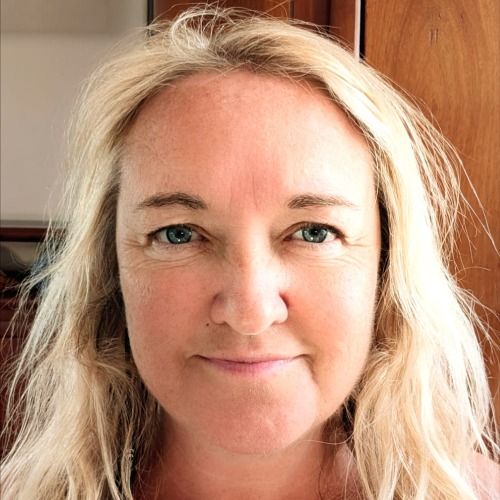
Episode 25
Making Routines Work for You - The Art of Habit Formation
Join Angela Agranoff as she reveals how to transform routines into powerful tools for productivity and, yes, even joy. Discover tips to overcome resistance, embrace flexibility and tailor routines to fit your lifestyle. This episode is perfect for anyone looking to make routines work for them, not against them!
With Angela Agranoff - Angela Agranoff is a Life Organizer, Mom Mentor, and Online Life Skills Teacher who has taught more than 1,500 kids the everyday habits that build confidence and independence. Through The Unclutter Angel, she helps moms organize their homes, simplify routines, and create spaces that truly support their families. - Angela's Website - @theunclutterangel on Instagram - Angela's Facebook group
And your host -
Eleanor Marker - Therapist and life coach - eleanormarker.com
Transcript
Welcome to the Aprica Podcast, because a little advice goes a long way.
Speaker A:Hello and welcome to another episode of the Aprica Podcast, where every week we interview somebody and have a chat with them and they give us a little piece of life advice to help us on our way.
Speaker A:And today I'm joined by Angela Agranov, and she is going to be letting us know how we can make routines help our lives work that little bit better.
Speaker A:So, Angela, thank you so much for coming on the podcast today.
Speaker A:Do tell our listeners a little bit then about the power of routines.
Speaker B:So I think that the word routine can interchange with the word habit, and I think both are really great things to have.
Speaker B:First of all, just to know that we can be productive and we can get the things done in a day that we want to get done.
Speaker B:But I realize that the words routine or habit are probably not fun words for a lot of people.
Speaker B:So in the classes that I teach, I really try to emphasize that these things can be fun and we can make them work for us in the way we want them to work and not how other people think we should have a routine or the habits that we should have.
Speaker A:Why do you think we have this weird blocker around habits?
Speaker A:Because when you go on the app store, it is full of apps designed to help us create habits, stick to habits, you know, be consistent with our habits.
Speaker A:I can.
Speaker A:They gamify them.
Speaker A:You can have streaks.
Speaker A:So it's obviously something we're struggling with as a race.
Speaker A:Like, why do you think we have this blocker when it comes to habits and routines?
Speaker B:I think it's, like I mentioned, where it's something we feel like we have to do.
Speaker B:So we talk about how kids, I teach a lot of kids in my organizing classes, and I see it when we meet on Zoom, where if it's something like this is what we're going to work on, sometimes I see that resistance.
Speaker B:So it's because it's something we feel like we should be doing.
Speaker B:And I just feel like it's.
Speaker B:It's just resistance as opposed to something that we want to do.
Speaker B:So, like you mentioned, one of the apps, they gamified it so just to make it more fun and appealing.
Speaker B:But I think it's just that resistance to don't, don't tell me what to do, or I want to do it in the time I want to do it, but that doesn't always mean that it's in the most productive way.
Speaker B:And then when we're not productive or have a good routine, then we get frustrated because we don't see the results that we were hoping for.
Speaker B:So I believe a routine can be fun and light and interesting, and obviously you have to be open to tweaking it so that it works for you.
Speaker B:But if you look at it in a positive light that it can actually make your day flow better, you'll have less resistance.
Speaker B:I think people will see more success that way.
Speaker A:Yeah, it's interesting, isn't it?
Speaker A:Because I feel like you're right.
Speaker A:I think we have this kind of almost oppositional defiance disorder when it comes to people saying, well, you should be doing this in your day.
Speaker A:You should wake up in the morning and plunge yourself into a cold bath and then say five affirmations and a gratitude.
Speaker A:And immediately our brain is like, I'm not doing any of that if you tell me to do it.
Speaker A:And yet, instinctively, we are creatures of routine, aren't we?
Speaker A:Instinctively, we often fall into routines without realizing.
Speaker A:We tend to eat vaguely at the same kind of times because the sun comes up and the sun goes down at the same kind of times.
Speaker A:We maybe sit and watch our Netflix at 8:30 or whatever it is.
Speaker A:We fall into some routines quite nicely.
Speaker A:So it's almost like we have.
Speaker A:I feel like sometimes we have almost an innate desire for routines and then our head kind of kicks in and is like, no, I'm not going to do it.
Speaker A:If they say I should be doing it.
Speaker B:I think you're right.
Speaker B:There can be some comfort in knowing what comes next.
Speaker B:So I see that even in my, one of my kids that they just like to know what is going to come next, what to expect.
Speaker B:That's actually comforting.
Speaker B:So if you feel like that you're having some resistance with starting a new routine, you could think about what would be comforting for you.
Speaker B:So whether it's like exercise or a new cleaning routine, I do not recommend making this long list, like what you were talking about, of all the things to do.
Speaker B:And I am going to start this new routine Monday.
Speaker B:And then you see this long list and.
Speaker B:And you'll probably feel the resistance.
Speaker B:Instead, I would say to just add one new thing onto a current habit or, you know, current routine that you already have.
Speaker B:So to give you an example, you get up in the morning and you're having your coffee, or however you start your day and you decide, I'm going to do this one thing that I usually avoid right after I have my coffee or while I'm enjoying my coffee, because then you're kind of attaching that feeling of you get to enjoy your coffee.
Speaker B:But Maybe you're emptying the dishwasher or whatever that might be.
Speaker A:I'm a big fan of that.
Speaker A:I think it's called habit stacking, right?
Speaker A:Where you take an existing habit and then you kind of couple something in with it.
Speaker A:And I know that with a lot of my clients, I tend to recommend that I have a lot of hot drinks through the day.
Speaker A:I'm classic therapist.
Speaker A:I always punctuate my day with hot drinks.
Speaker A:And so as a result, when I'm boiling the kettle, that is a guaranteed minute and a half, two minutes where I can stack another habit into that.
Speaker A:But I also have clients that do their exercise every time they go to the toilet.
Speaker A:They keep their weights in the bathroom, and then every time they go to the toilet, they flush the toilet, they wash their hands, they do like, 10 bicep curls.
Speaker A:And then that way, by the end of the day, they've done a huge amount of exercise without realizing.
Speaker A:So it sounds like one route into motivating yourself to get into the routine of having routines is to not plow lots of things in on a to do list.
Speaker A:It's maybe just to get one sort of solidified in and consolidated so that you're not having to think about it anymore and then maybe bring the next one in.
Speaker A:Is that what you would recommend?
Speaker B:I think that's a great idea.
Speaker B:And just kind of build on it and knowing that if something doesn't feel right or it's not working for you, someone else told you this is a great idea, do this, and it doesn't feel good for you, totally okay to tweak it.
Speaker B:And maybe you change it to a different part of the day and you insert something else during your coffee time.
Speaker B:I mean, I think that's the beauty of creating these routines and building good habits, is that you can make them work for you.
Speaker B:I know there's, like you said, a lot of apps, a lot of books, and all the things that this worked for this person and that person.
Speaker B:And it just.
Speaker B:That stuff doesn't work for everyone.
Speaker B:And I like to bring that into the work that I do with my writing and clients.
Speaker B:Like, these are the steps that you can use to organize.
Speaker B:These are the ways you can organize.
Speaker B:But that doesn't mean it works for everyone.
Speaker B:And I think that gives people a lot, a lot of relief that there's some wiggle room in there that they can make it work for them.
Speaker B:They're not broken or they're not, you know, there's not something wrong with them because maybe they can't Stick with the routine.
Speaker B:And they just need to change up their routine a little bit.
Speaker A:There's a lot of pressure, isn't there?
Speaker A:And especially if, especially with social media, you can see people who have these amazing routines and that, you know, they're sort of knocking out 15 habits a day that are all fabulous and Instagrammable and then you're struggling to, you know, drink that one shot of juice every morning.
Speaker A:I'd like to pause the podcast for a moment to thank you for listening.
Speaker A:I'd love to hear from you.
Speaker A:So please send me a comment under this podcast or on our Instagram channel, Preaka Podcast.
Speaker A:Like subscribe, download and share with family and friends.
Speaker A:And thank you for taking the time to listen to the show.
Speaker A:You mentioned there about being flexible and if, if it's not working for you, then tweaking it around.
Speaker A:But it's a, it's a difficult balance, isn't it?
Speaker A:Because I know there are times when you may be pursuing a habit that just isn't working for you.
Speaker A:And you may really want to give up, but you sort of need to keep pushing through.
Speaker A:You need to almost kind of like push through that, that, that first stage where it's not working in order for it to become a habit.
Speaker A:However, there's also a point where we have to recognize when it's not working that actually we maybe want to jettison it because it may be an indication that it's not what we want or we may want to tweak it.
Speaker A:So how do we know when we're actually defeating ourselves by wanting to tweak it or give it up?
Speaker A:And how do we know when actually it is something that we need to shift and change?
Speaker B:Well, full disclosure, this is something that I have to keep working on.
Speaker B:I. I feel like it's just an ongoing thing for myself.
Speaker B:And so I hope that other people understand that it's not like this arrival thing where Bing, all of a sudden you get it figured out, your routine.
Speaker B:I believe that routines can always be changing to work for where you are at in your lives, you know, before you're married or young children, older children, empty nesters.
Speaker B:Our routines are always changing.
Speaker B:So for me personally, when I feel like I can feel that resistance, it's.
Speaker B:It's not enjoyable.
Speaker B:I know I need to tweak something.
Speaker B:So whether it's changing the time of day that I do something or maybe my approach to it, or maybe having accountability would be helpful.
Speaker B:So I love having accountability for certain things.
Speaker B:Some things, not so much.
Speaker B:Some people do not like accountability.
Speaker B:At all.
Speaker B:And that's totally fine.
Speaker B:But if you find that that's.
Speaker B:Helps you to stay focused and motivated, knowing that you have to check in with somebody because you're starting this routine or adding in a new habit, then maybe that's something that would work for you.
Speaker B:So as you find those things that work for you, just keep building on that.
Speaker B:But realizing that it's okay to change things or to be flexible and at different times in our lives that our routines will just change.
Speaker A:Do you think there are times in our lives when it's more important to have routines than other times?
Speaker A:Or possibly to flip that over?
Speaker A:Times in our lives when actually you don't really need routines, you can sort of shelve them for a bit.
Speaker B:So I was thinking about this this morning and I, I'm thinking about like the young moms and the kids and when my kids were little and how important it was to have those routines, especially school aged kids, homeschooled or if they go in person, you have, you know, that routine through the day.
Speaker B:Otherwise when does the work get done or, or things like that, you know, the extracurricular activities.
Speaker B:But now that my kids are grown and they're in their 20s and they're going to be out the door soon, or the last one will be out the door soon, I'm seeing how my routines are changing.
Speaker B:I don't feel they have to be as on point maybe as they used to be, which is, it's cool that I can be more flexible like that and maybe because this is very new to me.
Speaker B:So maybe that's just one what retired people do.
Speaker B:I don't know.
Speaker B:They have more flexible schedule.
Speaker B:But I also like to have things to do.
Speaker B:So it's good for me to have somewhat of a routine so that I still can, you know, do my writing or do my walks and stay on top of that so that my day does not escape me.
Speaker B:So I think that if you do not have a routine, no matter where you are in life, your whole day could just slip by and at the end of the day you're like, what did I do today?
Speaker B:So no matter if you have kids at home or not, I think routines are great so that you can kind of feel like these are the things I did today and, or this is what I accomplished or tomorrow I need to tweak it because I want to do this thing differently.
Speaker B:But yeah, I think it just depends on your time of life.
Speaker A:Well, I think I feel like you've answered my next question there.
Speaker A:But I'm going to ask it anyway in case there's a different answer.
Speaker A:So what is the point of routines then?
Speaker A:I get the impression that for you, the point of a routine is to make sure that you are maintaining some sort of productivity, that you're achieving and accomplishing the things that you actually want to do that maybe would drift past you if you didn't have a routine.
Speaker A:But is there something else?
Speaker A:Is there sort of a secret that I'm missing there for why we.
Speaker A:Why we, Steven, bother with them?
Speaker B:I don't think there's a secret, but I do feel like as humans that we like some sense of stability.
Speaker B:We just like to know that we've accomplished some things.
Speaker B:And I just think it.
Speaker B:It feels good as humans to know that or we know what.
Speaker B:What's coming up.
Speaker B:But I think stability is a big thing, at least for me, and I feel like it is.
Speaker B:That same way with people that I've worked with is just knowing what to expect or just feeling like you've accomplished something.
Speaker B:So maybe it's more of a feeling type of thing.
Speaker B:But obviously, if you're working, you know, having more of a routine is important because people are expecting things from you.
Speaker B:So I think it's probably different if you're just thinking of routines for yourself as opposed to you have kids depending on you, you have your work depending on you.
Speaker B:And routines are obviously very valuable when you have people that are counting on you for certain things.
Speaker A:Do you think that routines are good for everybody?
Speaker A:Do you think they're good for every kind of personality type?
Speaker B:I would think so.
Speaker B:I don't know.
Speaker B:Yeah, that's.
Speaker B:That's a very deep question.
Speaker B:Because if I just think about myself or my family, like my kids, even though they're grown, or people that I've worked with, I think having a routine or building on habits is just very helpful.
Speaker B:If we don't have a routine or the habits, maybe we are spinning in our heads because we're just not knowing what's the next thing or what do I go do now or.
Speaker B:Or that type of thing.
Speaker B:So it's just a lot of the unknown if we don't have some sort of a routine or plan in place.
Speaker A:It's funny you talk about there about sort of building in these habits and building in these routines.
Speaker A:I know that I was having a conversation with my daughter this morning, who is not a one for routines.
Speaker A:She was homeschooled and she's just.
Speaker A:She's.
Speaker A:I would love her to have four habits and routines, but she doesn't she's not.
Speaker A:She's not that kind of way inclined.
Speaker A:She does have some though, and I was talking to her this morning about Duolingo.
Speaker A:She has an 850 day streak and I was laughing at it.
Speaker A:It's the longest relationship she's had with anything is with Duolingo, and she really wants to ditch it.
Speaker A:She doesn't enjoy it anymore.
Speaker A:She's not learning anything.
Speaker A:She just doesn't.
Speaker A:It's just become a habit.
Speaker A:It's become this thing that doesn't give her anything meaningful, but it's just this repetitive habit.
Speaker A:So talk to us then about when routines go wrong.
Speaker A:You know, like either that you get too rigidly stuck to them or they, they somehow cut.
Speaker A:They lose their way from your sense of purpose.
Speaker B:Well, that's really cool that she's made it that far.
Speaker B:But I think that's a great point where no matter what the habit is.
Speaker B:So for instance, years ago I took up running.
Speaker B:I was not a runner at all and just decided, you know, I think I'm just gonna run a marathon.
Speaker B:I had really young kids and I have no idea why I did that, but I just thought that sounded interesting and just started running and made this routine of, you know, I had this schedule.
Speaker B:It's the best I ever felt in my life.
Speaker B:And it was just.
Speaker B:I'm grateful that I had that time.
Speaker B:There was a point though, after a number of marathons where it was like, I'm burnout.
Speaker B:So like Duolingo, I just had to substitute it with something else maybe that I enjoyed because it can feel like this kind of emptiness if you just stop doing something.
Speaker B:And because it sounds like, you know, she probably has a certain time of day where she works on the app.
Speaker B:So maybe picking something new that can take place of that old piece of a routine, maybe there's something else that she would like to learn.
Speaker B:So for me, I just took up walking and doing other creative things that I like to do, but I would say just kind of substituting something else that you enjoy so you don't feel kind of that empty piece.
Speaker B:But yeah, when it doesn't feel good anymore and you're not seeing the purpose and you've.
Speaker B:You're kind of doing it out of obligation, maybe it's time to rethink how you're spending your time.
Speaker A:Yeah, and I, I'm glad you said that because actually her conclusion was that she was going to, you know, try a different language learning app, for example.
Speaker A:So I think that there's a point, isn't There where habit is so ingrained that we don't really need to think about it anymore.
Speaker A:And then it's a shame to let that go, even if it's isn't working for you.
Speaker A:But you're right, if you put something into its place, then you're still got that joy of that repeat habit.
Speaker A:But it's now, now bringing you something more meaningful.
Speaker A:What about those times and I'm sure we've all met people like this where you become a slave to routines.
Speaker A:You know, there are people, and I have to admit I was a little bit like this when I had young children because my two were very close in age.
Speaker A:So when they were, when they were young, it was like it's 1:10, I am now putting my children down for a nap and everyone has to leave the room.
Speaker A:Basically I was like absolute on it when it came to routines because that's how I, how I kind of survived as a young mother.
Speaker A:But how would, what about these people, quite often older in life, who get very, very stuck in routines and it's almost that it's limiting them rather than freeing them or empowering them?
Speaker B:Well, I would say for us looking from the outside, if they look like they're stuck in routine, but if they're happy and they don't want to change, there's really not much we can do about that.
Speaker B:It might not make sense to us and I know some people like that.
Speaker B:It, it doesn't make sense to me because I think there's a big world out there and there's just so much to do.
Speaker B:But maybe for them that's just not important.
Speaker B:But I think being self aware, if you feel like you are in this routine and you realize it's like I'm doing the same thing every day and my brain is thirsty to do something different, that's great to be self aware like that and knowing that you can the next day do something differently.
Speaker B:For me, working at home, it can get very mundane and I think a lot of people are probably in my shoes.
Speaker B:So for me I need that change of scenery, leaving the house, going and working something out somewhere else, or going and doing something different, whether it's, you know, taking photos for the blog or something like that, but changing it up.
Speaker B:For me, even if I have the same routine every day, but every once in a while, you know, once or twice a week I go out and I just do something different.
Speaker B:I, I think that's good for me and I highly recommend that for other people, especially if you are working from home.
Speaker B:Get up from your desk and go do something different.
Speaker B:Walk around the neighborhood or find something to break it up if you feel like it's just kind of getting old.
Speaker A:Yeah, I mean, I'm down in Southern Ireland.
Speaker A:My neighborhood is cow fields.
Speaker A:So that would definitely break things up, but I would probably get quite muddy.
Speaker A:What about people who are neurodiverse?
Speaker A:How does that work when it comes to routines?
Speaker A:Do you think that needs.
Speaker A:That routines need to be tweaked?
Speaker A:Do you think the routines maybe don't work for some people whose brains work in that kind of different way?
Speaker A:What do you think?
Speaker A:How does to say, I think flexibility.
Speaker B:Is the key thing when it comes to this situation where and when working with one of my kids, just knowing that routine was very important, knowing what to expect, but that I needed to have the grace and understanding that things may have to change.
Speaker B:So, and, and what's great is as my child's like, kind of, you know, grown and off on their own, that, that we had that routine as they were, you know, when they were younger.
Speaker B:And now they know as an adult that they have a certain routine, but that they can give themselves that grace and flexibility if for whatever reason, their brain just needs a break, they need to do things differently that day.
Speaker B:Just not every day is the same.
Speaker B:The same day or they need to go at a different speed than maybe they did another day.
Speaker B:So just having that flexibility and grace for yourself, just knowing that you can change things up because routines don't have to be drastically changed.
Speaker B:It could just be.
Speaker B:I usually do this, but I need more rest today.
Speaker B:And so I'm going to skip this one thing because I want to get to bed earlier.
Speaker B:It could be just something as simple as that and having that flexibility.
Speaker A:Yeah, so it sounds like being responsive to your routine, but also responsive to your needs and how you're responding to the routine is important.
Speaker A:Okay, so my last question for you then is how do you think we need to support ourselves when it comes to establishing routines?
Speaker A:I mentioned there about apps.
Speaker A:There's a million apps, but there's, you know, there's.
Speaker A:There's Instagram channels, there's.
Speaker A:There's different approaches.
Speaker A:I know there's the very famous book by James, Clare Clia, Claire Kleer, James Clear Atomic Habits.
Speaker A:That was massive and still is massive.
Speaker A:So what would you recommend?
Speaker A:Would you recommend that people use apps?
Speaker A:At what point should they be putting these kind of external interventions in?
Speaker B:So I love that book and it's very helpful with creating new habits and understanding why habits are Very productive.
Speaker B:But with routines, I would just say not adding too much in or, you know, too many steps, too much complication.
Speaker B:I'm always about simplicity, whether it's cleaning and organizing or writing or whatever it is.
Speaker B:I like to keep things kind of simple and easy because that just makes my brain happy.
Speaker B:So it could be the same when it comes to building a routine to just keep it easy.
Speaker B:Now, if you love apps, you like the game, the Gamify, and that gives you some motivation, then totally do that.
Speaker B:I think per.
Speaker B:For me, that would overwhelm me.
Speaker B:So that's why I love.
Speaker B:It's just different for everyone.
Speaker B:I would say just start with one new thing and once you, you know, we all brush our teeth, that's easy.
Speaker B:We created that habit.
Speaker B:We were very resistant as children of brushing our teeth, but eventually that became our habit.
Speaker B:Now we don't have to think about it anymore.
Speaker B:So we can keep building just like that.
Speaker B:That before you know it, emptying the dishwasher every morning or laying our clothes out the night before, we don't even think about anymore because it's become a habit.
Speaker B:One thing that might help is making a list.
Speaker B:Not a long list, but a very simple list of what you would like to add to your morning, midday, evening, what are just a couple things and keeping that list in front of you.
Speaker B:So if you're a visual person, maybe having a list and having it hung up or just in front of you will help to remind you what you decided to commit to in building a routine.
Speaker B:Again, accountability might be helpful with a routine.
Speaker B:So like you said, there's a lot of communities and different things that can help support you with a new habit.
Speaker B:Maybe everybody in the community is trying to create the same new habit, like exercising or eating better, whatever that is.
Speaker B:And I think there is something very powerful about being around other people that are trying to accomplish the same things that you are doing and.
Speaker B:And having little cheering on behind you and some support.
Speaker A:I think accountability is a lovely thing, actually.
Speaker A:I think that that's.
Speaker A:Of all the external sort of interventions, I think accountability is one of the loveliest.
Speaker A:But you're right, I know you mentioned earlier that there are some people that it has the total opposite effect.
Speaker A:And it's like you make.
Speaker A:If I get accountability, I'm not doing it.
Speaker A:So that's also important to know, isn't it?
Speaker A:Well, I know I said that was my last question, but I cannot resist sneaking one in, which is that I can't have you on here being an expert in routines without me Asking, what is your favorite routine?
Speaker B:My favorite routine?
Speaker B:Well, that's an interesting question because like I said, I'm kind of in that empty nester phase where I remember being a young mom and it's like it was all about the routines and if you did not have the routine, like the whole day could go haywire.
Speaker B:So I am still building my routines, being kind of new at this point.
Speaker B:But I do love getting up early and just getting a start on the day.
Speaker B:And I also love my evening routines where just my wine, it's all about the rest.
Speaker B:Right.
Speaker B:And the wind down at the end, at the end of the day.
Speaker B:So I get really excited to get up thinking about.
Speaker B:I have very specific things like me teaching my classes and then I'll build my routine about around for each day when my classes are, you know, my writing and different things that I do.
Speaker B:So my routines are extremely flexible right now.
Speaker B:But I do like having a couple of anchors that it's fairly the same each day and then I just build off of that.
Speaker A:It is lovely, I think, to bookend your days, isn't it, with like a morning routine and evening routine, even if it's something super tiny, like 20 seconds.
Speaker A:But I know some people that have a morning routine that goes on for two hours and that's amazing as far as I'm concerned because I can't do anything unless I've just had my cup of tea.
Speaker A:Well, Angela, thank you so much for joining me today to talk us through routines and do let our listeners know a little bit about what you offer and where they can find you.
Speaker B:Well, thank you.
Speaker B:So I'm the Unclutter angel, so you can find me on theunclutterangel.com There's a lot of articles on there to help you with different organizing projects that you might have.
Speaker B:You can find more information about the kids classes that I teach where we talk a lot about routines and how to clean and organize rooms and I work with kids from 5 years old to 12 years old and and on.
Speaker B:And I also have a new Unclutter angel community and you can find more on my website about that as well if you would like more accountability like we were talking about with your cleaning, organizing and routines as well.
Speaker A:Thank you so much for joining me on the podcast today and for talking us through.
Speaker A:That is really a pleasure to get to know you.
Speaker B:Thank you for having me.
Speaker B:That was fun.
Speaker A:This how we're going to Vibe already.
Speaker A:We're both super organized.
Speaker A:We're both early.
Speaker A:I like that.
Speaker A:Holy.