Episode 28
Digestion and the Nervous System - How to Reset
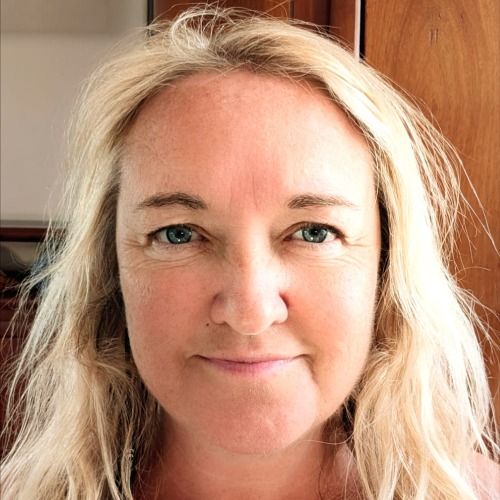
Today we are joined by Leslie Urbas to discuss the intricate relationship between the nervous system and digestion.
She explains how stress and dysregulation can impact our digestive health and highlights the importance of recognizing symptoms of nervous system dysregulation, particularly in women.
Leslie offers practical tools for addressing these issues, emphasising the need to listen to our bodies and the role of food in our overall wellbeing.
With Leslie Urbas- Leslie Urbas is a Registered Dietitian and Personal trainer. She has 15+ years of experiencing starting with an active duty Navy Dietitian. Now she spends her time helping midlife women break the generational bonds of shame guilt and push through self acceptance and inner peace using Digestion Codes and somatic experiencing. - Leslie's Website- @Leslieurbas on Instagram- Leslie's Facebook page- Leslie's Facebook group- Leslie on YouTube
And your host:
Eleanor Marker - Therapist and life coach - eleanormarker.com
Transcript
you
2
:Welcome to the Iprica podcast because a little advice goes a long way.
3
:Welcome to another episode of the Aprica podcast, where every single week we'll interview
somebody and find out a little bit about something that might help you in your day and
4
:help you through your week.
5
:And today I'm speaking to Leslie Urbas and we are going to be talking about how your
digestion and the things that you eat can actually help and support your nervous system.
6
:And I'm guessing on the flip side, hinder your nervous system if you make the wrong
choices.
7
:So Leslie, thank you so much for joining me on the podcast today.
8
:Tell us a little bit first, before we get started, tell us a little bit about what the
nervous system is and then also how it relates to digestion.
9
:Of course, I love this topic.
10
:So the nervous system is actually three pieces, right?
11
:And it's developed over time.
12
:So one of my favorite books is called Anchored.
13
:It's sitting here on my desk.
14
:by this woman named Deb.
15
:Deb Dana, love her.
16
:She's fabulous.
17
:And I love the way she describes the nervous system in three pieces, right?
18
:And the first piece that was ever here for anybody, any creature, fish, bug, was what we
call freeze, or what you would think of like a possum does, plays dead.
19
:Right?
20
:That was our first nervous system response.
21
:It was, oh, something is going to get me.
22
:Let me pause and not move and hope to God it doesn't get me.
23
:Right?
24
:Now, so that's our freeze response.
25
:Okay.
26
:Is what we would term that.
27
:And I'll use really easy words and just call that our freeze response.
28
:Okay.
29
:There's a technical name, but nobody really knows technical games.
30
:You know, it's like going to your doctor and them throwing jargon out at you.
31
:And you're being like, I'm never going to remember that word.
32
:Just give it to me.
33
:Like, I understand it.
34
:Right.
35
:And it's really confusing, isn't it?
36
:Because it's like parasympathetic and sympathetic and then, and it's like, yeah, and I
always forget which way round it is.
37
:it's like, so yeah, freeze response.
38
:like that.
39
:Exactly.
40
:So that's what I call it.
41
:Or I call this our red light phase, right?
42
:So this is where you're in red light.
43
:You are just stopped.
44
:You're like the tiger is in the woods.
45
:The tiger is looking straight at you and you have not figured out your end game at this
moment.
46
:You're like, I'm just going to pause and hope it doesn't run very fast, right?
47
:It's the possum.
48
:And this piece is the longest standing piece in anybody, right?
49
:In any living creature on this earth.
50
:Okay.
51
:And then we rise up and that's where you get to your parasympathetic to use your words,
right?
52
:but that's your yellow light, okay?
53
:That's like the yellow light, it's the fight flight response, okay?
54
:And this became many, hundreds of years later, I think even thousands of years later, we
developed this.
55
:And this gave, it actually developed in a fish first, supposedly, and the fish was able to
dart away from what was trying to overtake its body, right?
56
:So it could still freeze if it chose to.
57
:but it could also fight or flight, right?
58
:And so that's when that came around.
59
:And to this, this is the yellow light.
60
:This is, you know, like I kind of think of this as the term of that moment where you're
like, there are just so many things going on.
61
:Why is this house a mess?
62
:Blah, blah, blah.
63
:And like, you like lose it and you're fighting, but you're fighting with really inanimate
objects around your home or your heart is racing.
64
:You know, somebody's just cut you off in traffic and you feel that and your like gut
instinct is to swerve.
65
:And you're like, my God, thank God I swerved, right?
66
:And nobody was there.
67
:or whatever it was, right?
68
:And most of the time, if we're serving out of the way of somebody, we actually know if a
car is there, whether we know that we know, just because of how we've been driving, right?
69
:So that's your fight or flight or your yellow light.
70
:And then we have the green light.
71
:And that is the most, that is unique really truthfully to like us, okay?
72
:And this is what they call ventral vagal or green light.
73
:It's what I kind of call to many women, vacation brain.
74
:Right?
75
:It's when you're on vacation, you got a margarita in hand or green juice or whatever
you're drinking and you're just relaxed.
76
:And it's like, everything is good.
77
:Right?
78
:Your mind isn't racing.
79
:Your heart is calm.
80
:You feel chill.
81
:You're relaxed.
82
:Right?
83
:And so this is the green light phase, which is where we should all be spending the
majority of our day in green light phase.
84
:We can regulate our nervous system.
85
:We can use our vagus nerve.
86
:Our vagus nerve is the nerve that runs from the back of our head down our spine.
87
:Okay, it is responsible for rest and digest.
88
:So when our nervous system is not returning to green, right?
89
:It's not going back to our green light phase and it's staying in yellow or red, we do not
rest, we do not digest, right?
90
:And so this is playing out in all of our food and the things that we're eating because our
digestion cannot function when it's living in yellow or red light stage, right?
91
:So many people are like, okay, I hear that and I go, wait, so I'm not supposed to be in
yellow or red.
92
:What do I do?
93
:What do I do?
94
:And it's not that you shouldn't have any, we are supposed to pendulate our move between
these.
95
:We're supposed to have ebbs and flows.
96
:The majority should be in the green, but we need yellow.
97
:We need red.
98
:We need each piece to help our bodies, right?
99
:But the piece of the nervous system that
100
:gets overlooked, right?
101
:Is that if it's doing all this, right?
102
:We know the nervous system, we get it.
103
:Everybody understands fight, flight, freeze.
104
:We've heard it.
105
:You we probably learned it in school.
106
:But what we've missed is how much it does everything for the body.
107
:It is doing everything nutritionally, hormonally, all of the things that kind of add up
over time.
108
:And none of the research really like stayed on this, right?
109
:And this is a subconscious behavior, right?
110
:None of us have to think to ourselves.
111
:Breathe, heart pump, swallow, digest, right?
112
:We literally only know where our food is when we swallow it and then when we release it,
that's it.
113
:Everything else is done subconsciously with our bodies and the nervous system does so much
to it.
114
:And so because it's controlling everything, we're not getting the same results.
115
:And now because we have
116
:tiger in the woods everywhere we look, books on our desk, book open, papers we're supposed
to file, the phone, the black box that controls our life, um kids, guitars, bicycles, all
117
:the things that are just talking to us, we are at an elevated state majority of our day.
118
:And our nervous system and our bodies are not resting, digesting, or utilizing food the
way it should.
119
:So when we're in the yellow or the red zones, do we just not digest or do we digest very
badly or, you know, like, because obviously I feel like there is, I work with clients who
120
:are super dysregulated and they're still digesting their food, I'm assuming, right?
121
:So like, is it that is having, what is the effect that the orange and red is having when
it comes to our digestion?
122
:Great question.
123
:Yes, everybody is always digesting, right?
124
:It's not that it gets stuck.
125
:Now we do have other things that you can have delayed gastric emptying.
126
:You can have fast emptying.
127
:People call that like dumping syndrome, things like that.
128
:You when you hear people say sometimes I eat a food and I literally have to go to the
bathroom immediately after it, right?
129
:And all those things are real.
130
:All those things are nervous system reactions.
131
:All of that is what's happening.
132
:So it's not that you're not, but this is like a built up over time, right?
133
:So if you think of a highway, okay.
134
:And let's say the highway has five lanes, okay.
135
:We could even talk about the 409 in California.
136
:Cause most people know that as a super highway that has massive amounts of traffic, okay.
137
:But it didn't start that way, right?
138
:Most highways don't.
139
:We have a few cars.
140
:But then when we start to grow things around them and we add more cars and more cars, when
we flood the system is really what's happening.
141
:So in your digestive system that let's say you, you are moving into more of like the
yellow light, red light phases.
142
:Okay.
143
:You're just kind of adding more cars to your system.
144
:You're adding more detours roundabouts like
145
:wait, my bloodstream that thought it could go straight now can't go straight.
146
:It has to go a little bit to the right, veer all the way to the left, come back to the
right to get this thing through.
147
:Okay.
148
:So it's taking more.
149
:Now this is why, like I love, I feel like the book, the body keeps, or when the body says
no by Gabor Matei is one of the best ways to describe this because it is your body saying
150
:no, but you as a person based on your nervous system and conditioned response,
151
:are saying yes.
152
:And so your body internally fights itself.
153
:This is where we start to get the things like weirder diseases, right?
154
:Like, you know, we're finding diseases all the time now.
155
:And so many women are getting diagnosed with like, you have irritable bowel syndrome
because they don't know, because they can't find anything that gives us a diagnosis, but
156
:they do believe we have the symptoms because we're having it.
157
:We've had maybe the colonoscopy or the endoscopy, but what is occurring is a nervous
system dysregulation.
158
:something is happening in the system where the system is not doing this.
159
:This could mean nutrient malabsorption.
160
:This could be different vitamins and minerals.
161
:It's the way our hormones play with each other.
162
:It's things like insulin resistance and like our blood sugar not coming right.
163
:And it can all be from just dysregulation and not moving back to the green, right?
164
:Because the body will always prioritize fight, flight or freeze.
165
:Okay, that's why we say don't eat a Big Mac before you go run 36 miles, right?
166
:Your body will never digest the Big Mac.
167
:It will fight, flight or freeze.
168
:So it will run with you and send all the blood to the extremities while that sits in your
stomach slowly and poorly digesting causing you to feel bad.
169
:So that's kind of like a good example of why um this builds up over time.
170
:Yeah.
171
:And I feel like you've really nicely answered my next question, which was, how do we know
when the traffic on this highway is getting blocked?
172
:And you mentioned things like irritable bowel syndrome, but also this idea that maybe
there are symptoms that
173
:can't really be explained but you know something's kind of out of whack.
174
:Are there other things that as women in particular that we need to be looking out for that
might make us think actually there's something going on here, there's something
175
:dysregulated here when it comes to my nervous system and my digestion?
176
:If you look up perimenopause, which many people would, um perimenopause, menopause,
postmenopause, all of those things, they all really have similar symptoms.
177
:But I feel like perimenopause has gotten this like drastic list of things.
178
:If you could say any of those, it probably started to develop and started to be noticeable
in your 30s or 40s, which is when people start to see it and any of those things.
179
:But these are things like, um you know, brain fog, not being able to think straight,
forgetting key words, uh
180
:um Things like, you know, I used to go to the bathroom once a day and now I seem to be
going twice a day or, you know, I was actually a, you know, every three days person and
181
:now I'm finally regular, right?
182
:You know, or things like I go to the bathroom and it is regular, but then sometimes it's
like three days of not being regular, right?
183
:Or.
184
:I used to be able to eat that, now my stomach doesn't agree with it.
185
:Or if I eat that, sends me to go into the bathroom right away.
186
:Or uh that's a no.
187
:Like if I eat that, it causes me to gain weight, right?
188
:Things along those lines that we say, all of those things are signs, right?
189
:uh A lot of more anxiety, depression, fatigue, exhaustion, right?
190
:Exhausted, but like...
191
:You lay down and you're like, and now all I see is the ceiling and I can't get myself to
go to sleep.
192
:All of that is signs that this has been building up.
193
:What you described there feels like to me an age thing, or at least in my head, it feels
like this is how we tend to say, we sort of say, yeah, you know, I used to be able to eat
194
:what I wanted and stay out all night and things like that, but now I'm older, you know, I
can't eat this and, you know, like, you know, I've got these little niggles and stuff.
195
:But what you're saying, I think, is that it's maybe not an age thing.
196
:It's actually just an accumulation of yellow light, red light.
197
:Correct to an extent.
198
:I don't want anybody to think that I'm saying that you you don't age because of course
that's going to happen.
199
:I don't deny that as a woman our hormones start to shift in our 30s 40s 50s 60s, right?
200
:We have evidence by that of our you know periods cycles changing, right?
201
:So we understand that but what I'm saying is is that the all of the symptoms that come
with it are getting worse and worse and worse because we're addressing
202
:the, okay, so now you need hormone replacement therapy or you need this or you need this.
203
:And it's like a bandaid covering a profusely bleeding wound.
204
:It might slow it down for a second, right?
205
:Even think of like, you the moment somebody gets a big wound, everybody knows you apply
pressure until you can stitch it back up, right?
206
:But it would be like, okay, I'm just gonna put pressure on this for the rest of my life,
hoping it goes away in knowing that it's still slowly bleeding.
207
:You're just slowly bleeding out.
208
:Right.
209
:Okay.
210
:Sorry for the visual for anybody that gets a little pukey, but it's one of those like,
right.
211
:That doesn't make any sense.
212
:Now I'm not saying hormones, supplements, things like that are not worth it, but if we're
not addressing what's underneath this, that's the thing.
213
:Now let's go back.
214
:Let's even say like my grandma.
215
:Okay.
216
:My grandma is in her nineties.
217
:She is really healthy.
218
:Okay.
219
:Like she's got maybe one thing wrong with her.
220
:She hasn't figured out why she's only got one thing wrong with her.
221
:Right.
222
:But my grandma eats really good food and
223
:I would say my grandma probably hasn't had a lot of stress.
224
:That's not true anymore because we've taken normal resources away, especially from women.
225
:We used to parent in villages, right?
226
:Like it wasn't just us taking care of our kids.
227
:We had people around us.
228
:We also had massive amount of help.
229
:Now it's like, you have a nanny.
230
:you're one of those.
231
:You have a nanny.
232
:You need the help, right?
233
:Okay.
234
:And we're like down taking people that are getting the right resources.
235
:And we're supposed to be
236
:people pleasers, look amazing, not have one ounce of fat on our body, not have this.
237
:So now we don't have anywhere to even look, right?
238
:Like I said, our own room is giving us anxiety, like, there's the three parenting books I
was supposed to read that I didn't read.
239
:there's the 12 on like how to improve my mind, right?
240
:And then here's the, you know, to-do list of all the things that I have to do.
241
:And then here's the, you know, the black box that's sucking my soul away, calling me to
all of these other things to try to fix myself when it's...
242
:the underlying thing is if we could address the nervous system, we'd be actually able to
see.
243
:And this is where I say women can hear their bodies talk then.
244
:And then we're driven down the right road instead of I'm gonna go to my doctor who
probably has no education around this because the majority don't, right?
245
:I'm gonna go to him, I'm gonna ask him questions.
246
:He's gonna tell me it's just the normal aging process and I'm gonna buy into it because
I've heard that.
247
:But it doesn't have to be.
248
:Yes, we are all going to slow down.
249
:mean, Arnold Schwarzenegger was at once the most handsome looking man, right?
250
:And now he looks like he should in his, what, 70s or whatever he is.
251
:He's still very fit, but you can tell his body isn't the same way.
252
:Of course it will change.
253
:But it doesn't have to be as terrible and at the level.
254
:And we don't have to chalk it up to that.
255
:We could learn more and make the symptoms less.
256
:I think as well, there's a real inclination in the medical world and it feels a very
sweeping thing to say, but I've experienced this myself and I know a lot of women have,
257
:where there's a kind of inevitability when you're woman and you go to doctors and it's
like, yeah, but you're just going to have to kind of suck this up because this is just
258
:life.
259
:And I know that when I started hitting the menopause, I attended a lecture about the
menopause.
260
:It was the gloomiest thing I've ever attended.
261
:It went on for an hour and it just listed all the crap things I can look forward to.
262
:And I actually thought, I turned it off in the end.
263
:was like, no.
264
:And actually at the end, said, the woman said, does anyone have any questions?
265
:And I said, what's the good news?
266
:And she was like, well, you you, you start to care less.
267
:And I just thought, that's the good news.
268
:Like I actually turned it off because I just thought, don't, I don't believe that this is
just an inevitable part of a woman's life that we now have.
269
:15 years where we feel completely awful.
270
:you mentioned there about how often we intervene with symptom regulation rather than
getting to the root cause and addressing the nervous system.
271
:So now let's talk about what we would do then to go deeper and address the nervous system.
272
:We've noticed these symptoms.
273
:What do we then do about it at a deeper level?
274
:Yeah, so I like to start simple, right?
275
:And it is like little simple tasks that you can do right now, even while you're talking to
us, whether you're driving or you're listening to us while you're doing the dishes or
276
:whatever, okay?
277
:Whatever's happening in your world right now, all I want you to do is feel your feet on
the ground.
278
:If you happen to be on a couch, feel your butt in the chair.
279
:That's fine, okay?
280
:Feel your butt or your feet, just something connected to your external world.
281
:And all I want you to do is just focus.
282
:Feel that support, like I am not falling, okay, which is one of the basic human fears,
right?
283
:I am completely grounded.
284
:And like, you know, as I'm sitting in this office chair, I was kind of like, yeah, like
it's really got me.
285
:I am supported, right?
286
:I'm good to go, okay?
287
:Feel that.
288
:And then all I want you to do is look around your space.
289
:while you place your eyes on what I like to call it little baby hammocks in the back of
your head.
290
:you're gonna, instead of looking profusely at your world, you're gonna take your eyes,
you're gonna put them on little baby hammocks in the back of your head and just gently
291
:look around the room.
292
:Like you're gazing, like a soft gaze at like, this is such a cute baby or like, this is a
beautiful sunset, right?
293
:Don't look as though you're looking to find something, look and see like.
294
:wow, I've never noticed how leaves are on that one branch.
295
:I didn't notice how many colors of green were in that one tree or, um, wow, I never
noticed how this one plate is discolored that I'm doing with the dishes or whatever.
296
:Right.
297
:And so uh that's one simple regulation by you connecting your body.
298
:to the physical place of I'm planted in this car, I'm planted in this ground, and I see X
in front of me.
299
:So it could be like, I've never noticed how many red cars are around me while I was
riding.
300
:I was listening to this podcast and kind of zoning out.
301
:And now I see all these red cars.
302
:What you did was tell your nervous system, you are safe, because we're no longer signaling
safety to our bodies.
303
:We're no longer telling it like, hey, you can drop some of the
304
:doing it all.
305
:You can rest and relax in this moment, right?
306
:And yes, rest and relax while driving a car will be different than rest and relax as
you're sitting on your couch drinking tea, listening to this, or sitting or standing at
307
:your sink washing dishes.
308
:But each can come with a rest and relax and digest, right?
309
:So there's umpteen tools to use.
310
:I love to provide women tools of like this takes 30 seconds to two minutes.
311
:Now don't just do this once.
312
:Do this tool bunches of times a day.
313
:You sit down at your computer.
314
:One of my favorite is when I sit down at my computer, I look at the top left, top right,
bottom left, bottom right.
315
:I'm about to get on my computer.
316
:I'm on a computer.
317
:It is not a tiger in the woods.
318
:Okay.
319
:Same when I pick up my phone.
320
:Okay.
321
:I look at
322
:each corner, okay?
323
:I'm about to look at my phone, right?
324
:No, I'm human, I'm instinctual.
325
:I also set timers and things, right?
326
:I can be sucked into Instagram and things like that.
327
:And it's very dysregulating because the world is trying to dysregulate us, right?
328
:Because when we get dysregulated, we pay attention and the more we stop and we scroll,
better we get it, right?
329
:So small, simple things.
330
:One of my favorite is before you eat.
331
:If you do something called deep belly breathing before you eat, you turn digestion back
on.
332
:You literally help release the vagus nerve so the vagus nerve can digest.
333
:So even if you've had a completely stressful day, if you take, I say anywhere between
three to six deep belly breaths, which is where you breathe in through your nose.
334
:And as you're breathing in, you're gonna push your belly out like you're a pregnant woman
or Santa Claus or whatever you wanna call it.
335
:Okay, you're gonna push it out.
336
:like a really big fat ball, and then you're gonna pull it back in as you exhale.
337
:So you breathe in through your nose, pushing your belly out, and you exhale and pull it
back in.
338
:This one simple thing brings the vagus nerve like, oh, I'm safe, we're good to go, and
will improve your digestion.
339
:Doing that all the time, your digestion improves and improves and improves, and things
like irritable bowel can go down, right?
340
:It can go down, it can go to zero with other tools, right?
341
:Same with anything else, same with hormonal imbalance, right?
342
:We can start to do that as we signal to our bodies that the tigers aren't there, it can
run all of the processes.
343
:But if we're hinting at it all day long, I've got tigers, I've got bears, I've got lions,
I've got all of these things, it's never going to work efficiently, right?
344
:It's gonna expect us to be running a marathon all day long.
345
:So we'll never get to the baseline.
346
:So I love to do simple tools like that to start, right?
347
:And then you kind of get into deeper work.
348
:I do hour long sessions with people around this to move back and forth and find out what
the body is saying.
349
:Because our brains will always tell us one thing, but our body completely says something
different.
350
:My brain says, be a good people pleaser, Leslie.
351
:Listen to what everybody else says.
352
:Be a good girl.
353
:Don't do that.
354
:Don't say that.
355
:Don't interject that.
356
:Don't stand up like that.
357
:Like, shut up and do what you're told.
358
:Right?
359
:Okay.
360
:That's my body's response.
361
:And so when I choose to go against it can even be a place of unsafety, right?
362
:Because, okay, my body, my brain says safety is people pleasing.
363
:And while my body isn't efficiently working, okay, my body knows this truth.
364
:My brain knows this truth.
365
:So then when I go, you know what?
366
:No, actually, I'm not going to drop everything I'm doing right now to come help you clean
your toilet, even though I know you need help.
367
:I'm not going to come do that.
368
:I'm going to sit right here.
369
:You're going to get more signals of stress out.
370
:That's like a great sign that something isn't working in the body.
371
:Like when you know, okay, I have a really good reason not to come over and help you clean
your toilet, but you have massive guilt for not.
372
:That's another great way of just noting that there is not safety present in the body and
you're probably living in yellow or red, which is exactly why I started this work because
373
:that was the majority of
374
:My life was always yellow and red.
375
:like to pause the podcast for a moment to thank you for listening.
376
:I'd love to hear from you so please send me a comment under this podcast or on our
Instagram channel Aprica Podcast.
377
:Like, subscribe, download and share with family and friends and thank you for taking the
time to listen to the show.
378
:Yeah, and I know exactly what you mean.
379
:There are times, aren't there, where we may put boundaries in place and it's a very
anxiety inducing process.
380
:And I feel like that's inherently because we're going against a sort of pattern that we're
used to, something that we're comfortable with.
381
:Would you say then that when it comes to the deeper work of listening to what it is your
body's saying, that
382
:this is something that you need to do with somebody or is it are there things that we can
do on our own that will because we're very disconnected from our bodies aren't we it's
383
:difficult to hear like when i think when you were saying that i was thinking like what
would my body say to me i feel like i'd have to listen for a long time very carefully to
384
:try to hear what that is
385
:Yes, for sure.
386
:And so there's lots of different ways to do that.
387
:Like I love the different types of nervous system work and different ways that you can
quote unquote pendulate back and forth.
388
:um I've done sessions before, as I was learning of like how I had people just scan your
world, right?
389
:Tapping is another great way to like tap into what's actually what your body's actually
doing.
390
:um And even that, like when I would start that and start sessions on tapping and my, my
person on the other end was like,
391
:how do you feel right now on a scale of 10?
392
:I'm like like a three and she was like your body looks like it's at an eight right and I
was like it does and I would be like oh my gosh it does right like I'm like because I
393
:would be focused away but with my eyes open I'm like wow I didn't even feel that you know
and so I think it's very helpful for starters of course because we are so not used to just
394
:sitting here on this call.
395
:listening like, wow, I'm actually cleansing a jaw or I'm cleansing my heart or like I'm
not actually fully open or I'm actually gripping like my butt is not sitting, it's
396
:gripping.
397
:the chair in like tension, right?
398
:And so we're just not aware and it's helpful for that.
399
:Now, I think starting with small tools is always helpful because the moment I say, I think
you need to talk to somebody, people are like, oh, great, just another thing, right?
400
:And so that stresses them out.
401
:You can start to see small improvements from this, but it's just like anything else,
right?
402
:We can't see our own stuff.
403
:That's why we were placed on this planet with other people.
404
:It's why we all love to serve.
405
:because we can't see our own stuff, right?
406
:It is best when working with others, but you can use those tools, right?
407
:I work with others, but I have tools, I can do it on my own.
408
:So I can do a session where I go back and forth, and then sometimes I hit a wall and I'm
like, okay, I can't see this.
409
:I need your help to help me see what I'm missing, right?
410
:So I believe it's a truthfully a good combination of both.
411
:to know that it's one, okay to need both, right?
412
:And I think that there's still that stipulation of like, you need help with that.
413
:It's like, yes, of course, because my body is used to, know, hunching over and sitting
forward.
414
:And um it's used to sleeping in like a fetal position ready to go, you know?
415
:It's like, it's used to that.
416
:It's not used to like my two kids who are like all over the bed with their arms above
their head and like flailing around and.
417
:You know, I'll see my son sometimes I'm like, how are you sleeping?
418
:You're half off the bed.
419
:Like his legs are just suspended in there.
420
:I'm like, can you feel that?
421
:Like, don't you lose blood flow?
422
:Right.
423
:But like back then we're just so like as a child, we're normally just so uninhibited, but
as an adult, we're not, we're carrying all of that.
424
:Right.
425
:And that's why, you know, people say you have your shoulders as earrings, or you'll see
people that are always clenched or people that have like the clench jaw.
426
:Right.
427
:And that's.
428
:And when you have a lot of like bowel things going on, you're typically clenching
somewhere in your stomach and your low abdomen and your butt and things like that.
429
:And that's normal because women suck in all day long.
430
:That's true.
431
:We really do.
432
:There's a, there's an American phrase called like suck it up or something, which I adopted
a couple of years ago because I feel like that's what women are told to do all the time.
433
:Yeah.
434
:Just suck it up.
435
:Just suck it up.
436
:Yeah, we sugarcoat it too.
437
:say suck it up, buttercup.
438
:I've not heard that one.
439
:That makes it nicer, like that worries me in some ways that it makes it nicer.
440
:What about, what about foods?
441
:Are there any things like we mentioned a little bit, you mentioned a little bit about
externals like screens.
442
:Are there any foods that we, that are bad for our nervous system?
443
:I know that sounds very kind of very blunt edged, blunt edged kind of way of looking at
it, but are there any foods that
444
:aren't good for our nervous system, don't support our nervous system, any foods that are
good for our nervous system and do support...
445
:Yeah, so a lot of times processed foods actually don't signal the same things to our
brains that whole foods do.
446
:But I'm a dietitian by heart, and I'm going to tell you that I would never tell you to
stop eating processed foods.
447
:What I'm going to say is if the processed food or the food has some sort of trigger or
alternative meaning to you, your digestion system
448
:and your nervous system are already on alert, right?
449
:So it could be something like, let's say when you were a child, your parents kept sugar
away from you for as long as possible.
450
:And then the first day you had sugar, you were like, this is so good.
451
:But I'm never gonna tell my parents that I ate this because they're gonna get so upset at
me.
452
:So I'm gonna keep it to myself.
453
:right?
454
:And then you become like a closet sugar eater.
455
:Okay.
456
:You have a sense of guilt and shame around it.
457
:And that in and of itself is nervous system dysregulation.
458
:Now you can also then start to have that with meals, right?
459
:You're just having a great meal and somebody calls and tells you some terrible news.
460
:That meal is no longer a meal, right?
461
:If I ask you what you ate last Wednesday, you're bound to not know.
462
:But if I ask you where you went to dinner on your anniversary or where you went to dinner
on your birthday,
463
:you'll probably remember and know what you ate because there's meaning behind it.
464
:And so that is a part of our nervous system, right?
465
:Certain foods have certain meanings, right?
466
:Why do kids love birthday parties?
467
:Because of the cake, right?
468
:It's like, we're gonna go to the birthday party, we're gonna get cake, we're gonna rate.
469
:Cakes are delicious and fun as long as you were allowed them.
470
:Now, let's say that you didn't know you had gluten issues and you've always eaten cake.
471
:Well, now the birthday party might also symbol like, oh, but then I'm gonna feel so
terrible afterwards, right?
472
:Like I always use my daughter when she turned one, we did the whole, know, smash cake
thing, which is so prevalent in the States.
473
:And she ate it, it was first time I ever, she ate sugar.
474
:She loved it, but she puked in the middle of the night and did not cry about it.
475
:She must've just puked, didn't want to sleep.
476
:And when we found her the next morning, she was in...
477
:Like she wasn't in a lot of puke, it was just like a little bit on the side and it was
like straight icing.
478
:And I was like, my gosh, I feel so bad for her.
479
:She did not eat cake for three years.
480
:She would not touch a cake or icing or anything.
481
:It took her until relearning it on her own and I never pushed it to her.
482
:The next day we offered her a piece of cake and she was like full out like no, hard no.
483
:I mean, she's one, she didn't have any words.
484
:She was just like, mm-mm, right?
485
:She like pushes it away.
486
:I'm like, okay, that's kind what I figured.
487
:So she puked it out.
488
:So then we gave her a bite of ice cream.
489
:And since then she's always loved ice cream, right?
490
:And so for two and three, we gave her ice cream instead of gave her, you know, cake, cause
she hated it.
491
:She never ate it in school.
492
:One day at school, I think she got ready to try it again.
493
:Right.
494
:And so now it's, it's fine with her nervous system, right?
495
:Because we allowed her to know, no, let's go with this.
496
:Your body potentially tells you bread is not good for me as a baby.
497
:You push the bread away, but your mom is like, no, you're going to eat that bread.
498
:You're going to eat it.
499
:You're going to eat it.
500
:Right.
501
:So now you're even more with that.
502
:I mean, now we even have diagnosis is, um, I think Afrid is one of them where it can be
the environment of your household that you grew up in, as well as the environment of all
503
:of that, that actually leads you to have an eating disorder.
504
:It's a new eating disorder.
505
:Um, that's really dysregulation.
506
:truthfully, and it's not like the parents did much.
507
:You know, it could be like a military family or things like that that get these diagnosis
um or, you you moved a lot for your work or one of you was gone a lot for work, right?
508
:And we're not saying these are bad things.
509
:It's just good things to know so we can support the system.
510
:So all foods technically can be regulating or dysregulating depending on you, right?
511
:If you were grown in a house that everything was farm fresh and now you live in the middle
of a city,
512
:where you can very rarely get farm fresh, you probably feel a difference, right?
513
:And you know a difference and you're just regulated because of this, right?
514
:But we're still also very thankful we have it because it's like, huh, if I wanted to have
tea and bread and jam and one sitting and I didn't have all these things, I'm have to go
515
:like to a different country to get tea.
516
:to a different country maybe to get bread, the bread I want, and then to another country
to get the jam I want, right?
517
:But luckily we have those resources.
518
:So yes, all food comes with a positive and a negative depending of our own connotation
too.
519
:That's interesting.
520
:I'd never thought of food as having a kind of trigger associated with it from
environmental or from from sort of childhood experiences.
521
:Well, before you before we finish today, I wanted to ask you about fasting, because
fasting is really popular uh in the UK and in Europe.
522
:And I'm sure it's getting it's popular in America as well.
523
:And fasting is, I believe inherently quite a stressful process for the body and yet
524
:It has a lot of positive benefits as well from what I can tell.
525
:What's your opinion on fasting when it comes to the nervous system?
526
:So I believe that each person's system potentially is different.
527
:Okay, so this is where I also use human design in the work that I do, because there are
different human designs that actually thrive on fasting and others that would be
528
:completely detrimental.
529
:Okay, but you also have an influence, right?
530
:I actually have a design type that can fast.
531
:Now, technically,
532
:I use that fasting because I wake up in the morning and I do my personal development work
and I work out before I eat.
533
:But the moment my workout is done, I am starving and ready to eat.
534
:Right?
535
:If I don't work out, if I don't do the personal development, I wake up and I want to eat.
536
:Right?
537
:So it's not that I'm fasting because that's the normal for my body in that process.
538
:Right?
539
:But to others, yes.
540
:Right?
541
:Fasting can be very nervous system, dysregulating because you're like,
542
:Oh, it's only 11.
543
:Oh, it's only 1107.
544
:Oh, it's only 1114.
545
:I can't eat until 12.
546
:Oh my gosh, is it 12 o'clock yet?
547
:Right?
548
:And so now the clock in and of itself.
549
:So it could even be that it's not the fasting itself, but it's the, body is asking you for
food and you are literally trying to shut off its natural process.
550
:And that's where I don't like things.
551
:I really like for us to live in our natural process and get back to that.
552
:It's tuning into that.
553
:We are all different, but it got shut down as we were a child.
554
:We were told, go to school, right?
555
:We go to school.
556
:Back in the day, you weren't allowed water.
557
:You didn't just freely go to the bathroom.
558
:You got to ask.
559
:If you got to go and you took too long, what did they do?
560
:They made you go back to class.
561
:So if you're a slow, go to the bathroom kind of person, you learned, okay, I have to watch
what I eat and drink at school because I can't use the bathroom, right?
562
:So now I've completely dysregulated and I've turned off my body's processes.
563
:Don't listen when you have to drink.
564
:Don't listen when you have to eat.
565
:Don't listen when you have to go to the bathroom.
566
:And those three things, this is a tool I give to most of my clients for one week, just one
week.
567
:Anytime you need to eat, drink, or go to the bathroom, do so immediately.
568
:Don't finish the sentence.
569
:Don't finish anything.
570
:Just literally get up, go to the bathroom.
571
:Literally get up, to the bathroom.
572
:People are like, I couldn't do that even if I tried.
573
:I'm like, right.
574
:But if you did it, your safety and alignment would come back on.
575
:and your digestion would be like, my God, she's listening.
576
:Like she's tuned in and like, we can actually tell her, hey, you're hungry at eight two,
right?
577
:Cause people say I'm never hungry in the morning.
578
:I'm like, is that really true?
579
:Or is that because you've just totally not listened to your body's processes for the past
20 something years, right?
580
:So fasting can be well, well organized in certain types really truthfully is how I see it.
581
:But in others, it can be dysregulating.
582
:And then just because you are a type doesn't mean it is.
583
:Like I was Catholic, I was growing up Catholic.
584
:And I remember the first day that I turned 18 and my mom was like, today's your day to
fast.
585
:I was like, I'm not fasting.
586
:She was like, wow.
587
:I was like, I will be so mean.
588
:Like, I'm not gonna process.
589
:I'm not gonna learn today in class.
590
:Like, I mean, I was 18 as a senior in high school.
591
:I was like, I'm not fasting.
592
:She was like, would be so mean by 10 a.m.
593
:in class.
594
:There's absolutely no way.
595
:Like you want me to learn, you want me to do.
596
:And at that point I wasn't even a nutrition major.
597
:I was just going with my own instinctual, like, absolutely not.
598
:won't fast.
599
:if God, if this is a thing that God has sent me to hell for, then I guess he's going to,
was my answer to her.
600
:Because I was like, I will just be so rude.
601
:Like I didn't have that moment there, but many of us will, right?
602
:And I'm not saying that it's not a good thing to do for church and your religious beliefs
can help there.
603
:But most of the time that's a calming nervous system thing.
604
:Not at 1107, 1114, 1116, and I still got 44 minutes.
605
:So yes and no to that question.
606
:Yeah.
607
:So it's really about your approach to it and whether it feels like it's a good thing for
you or feels like it's a controlling kind of inhibiting thing for you.
608
:Well, Lesley, thank you so much for coming on the podcast today.
609
:I feel like I have a million questions, but I'm trying to restrain myself or else it would
be the longest podcast ever.
610
:So could you tell our listeners where they can find you if they'd like to find out more
about the work that you do?
611
:Yeah, so I am Leslie Urbas on every social media platform.
612
:My last name is spelled U-R-B-A-S.
613
:ah And so that is my name.
614
:That's also my website, leslieurbas.com.
615
:So you put that in, you'll typically find me.
616
:think the top link is another podcast I did with somebody, so you'll see that first, but
everything is there, so.
617
:Fabulous and all of Lesley's links will be down in the show notes as well if you'd like to
check them out there.
618
:Lesley, thank you so much for coming and guiding us through poop and general other
wonderful stuff like that.
619
:You're welcome.
620
:That's a brain scramble.