Episode 27
Breaking the Trauma Cycle
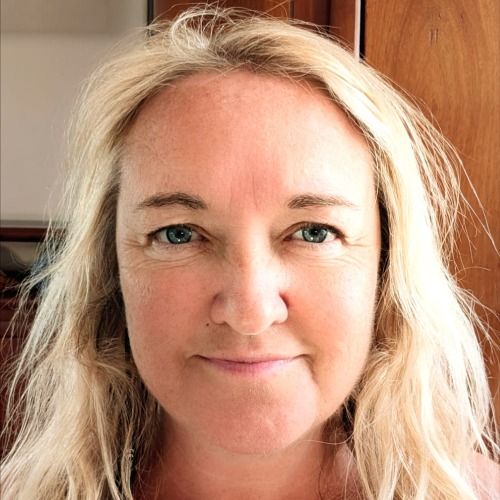
In this episode of the Aprica podcast, Gemma Rollins shares her profound journey of breaking free from a cycle of trauma rooted in her childhood. She discusses the impact of her upbringing in a family devoid of love and safety, the challenges of navigating relationships with narcissistic figures, and the steps she took towards healing and self-discovery.
Through therapy, personal growth and the establishment of boundaries, Gemma has transformed her life, finding peace and purpose as a wellness coach and yoga instructor.
With Jemma Rollins - Yoga teacher / wellness coach. From a life of trauma to a life of freedom. - Jemma 's Website- @wellness_withjem on Instagram- Jemma 's Facebook page
And your host:
Eleanor Marker - Therapist and life coach - eleanormarker.com
Transcript
you
2
:Welcome to the Iprika podcast because a little advice goes a long way.
3
:Welcome to another episode of the Apricot podcast, where every single week we speak to
somebody who can give us a little piece of life advice to see us on our way.
4
:And today I'm joined by Gemma Rollins, who has had a history of trauma.
5
:And she is talking to us today about breaking free from the cycle of trauma and how to
move on from those kind of challenging events, particularly ones from your childhood and
6
:working through into an adult life that feels like it's your own.
7
:So Gemma, thank you so much for joining me on the podcast today.
8
:do tell us your story of trauma.
9
:Thank you for having me.
10
:I was basically born into a family of trauma and it's just, the cycle just continued and I
believe it continues in families until someone chooses to break the cycle.
11
:em I totally understand that now we have things like the internet.
12
:We didn't have that years ago, so.
13
:A lot of people will blame their parents, but they didn't have the information out there
to help them on their healing journeys like we do.
14
:So I didn't hold any hate towards my parents, but we are all responsible for our own
actions and which path we take is, you know, it's our choice, especially as adults.
15
:I was brought up in a house where there was no love at all.
16
:And it wasn't until probably about six years ago, I used to think, oh, I haven't had any
trauma.
17
:I didn't used to think there was anything wrong with the fact that my mum had never given
me a cuddle, that my mum has never said, I love you.
18
:We were just brought up with, children should be seen and not heard.
19
:I put a roof over your head.
20
:That's all we was brought up with.
21
:I put a roof over your head and I feed you.
22
:That's the bare minimum.
23
:It wasn't until I was doing my teacher training when I first had my son, like 12 years
ago, when we was learning about Maslow's theory, Maslow's hierarchy of needs.
24
:And it was like,
25
:It was teaching us what the basic needs we need and how we can meet children's needs.
26
:And I was like, wow, I've literally only had the first one.
27
:And this went up and up into a pyramid.
28
:And I'd only just been fed and been watered.
29
:We had nothing else but from the outside, because my mum always had a good job.
30
:It looked like we was the ones in my family that had the nice, bigger house.
31
:Mum with a good job.
32
:We had okay clothes and stuff.
33
:We were never given anything really, not even treats.
34
:But I used to just think it's because I had a young mom.
35
:I used to think, my friends with older moms at school, I wish I had an older mom because
then I'd be loved.
36
:I still didn't understand it.
37
:It wasn't until I had my daughter, when I fell pregnant, I was like, there's no way I'm
gonna, I'm no way I'm gonna bring my child up like that.
38
:I still never fully understood what my mom was about.
39
:My dad was never in the picture.
40
:I don't know the truth or the story behind what happened there.
41
:but it was my mum and my stepdad.
42
:were also, being two mixed-race children, we were brought up with lot of racism, me and my
brother.
43
:So that was difficult.
44
:Like my stepdad would make racist remarks.
45
:Even my own nan, like my mum's mum, she made a really racist comment when I was about
five.
46
:Cause all my family were like blonde hair, blue eyes.
47
:Apart from me, I was literally like, I was the black sheep of the family.
48
:I'll still say it, I joke about it to this day on.
49
:Like at my mum's wedding when I was like 10.
50
:My whole family put me in the middle of a circle and I was wearing the most awful dress
ever.
51
:I was this pink frilly dress that was a bridesmaid.
52
:And they all danced around me holding hands, singing to Brown Girl in the ring.
53
:And they were all laughing and laughing at me.
54
:I already had a huge complex about the color of my skin and my brother was the same, which
led to him doing what he's done and going on his journey because we have a lot of racism.
55
:There was just no love.
56
:We never felt safe.
57
:There was no safety there.
58
:My mum would just leave us and we'd beg her to come.
59
:And I don't have any memories of my mum growing up.
60
:Like I don't have any, like I can't think of like picture us on Christmas day.
61
:The memories are all blocked.
62
:Although I've done so much work and healing, there's no memories.
63
:I don't remember any good times.
64
:She'd come home from work and we'd walk on eggshells, not knowing what mood she's gonna be
in.
65
:I have a memory from when I was probably about three or two and then...
66
:I was climbing in the fridge and I'd got a chair and I climbed up the fridge to get me and
my brother food and I'd got yogurts out because my brother's a year younger than me and I
67
:was bigger than him.
68
:And I'd got food for us.
69
:So I don't even know where my mom was really.
70
:It's crazy.
71
:And then we were just palmed off onto grandparents on the weekend, my dad's side of the
family, or my mom's side of the family.
72
:And just, I just remember crying.
73
:We'd constantly cry for my mom, but we just never felt safe.
74
:She didn't care.
75
:We were in different schools all the time, moved around and it was just men and partying
with my mum.
76
:It's so difficult, isn't it, when you're a child and you want your caregiver so much, you
know, you reach out for them, like you say, they're the person that you desperately want
77
:to have comfort from, but when they feel unsafe, you get that split, don't you, where you
want to be with them, but when you are with them, you're not getting your needs met.
78
:And so you end up not wanting to be with them at the same time.
79
:And there's that real conflict there, isn't there?
80
:I just always longed for my mom only until recent years.
81
:I always just wished she would just, I wish she'd just be nice to me.
82
:I wish she'd care.
83
:I wish my mom would say when I went out the door, have a nice time or you look nice or,
you know, just, just say something nice or say I'm proud of you.
84
:And she never, she just didn't.
85
:And my mom was never a drinker.
86
:She was always like a straight A student at school, but when she hit 21, so she had two
kids by 18.
87
:So when she hit 21, she was just partying, drinking and drinking.
88
:And that was it.
89
:Now she's gone down a real slippery slope, which is her choice, her journey.
90
:But she's also used my daughter as a weapon as well, which has been really hard.
91
:She's just basically tried to take my daughter from me constantly.
92
:She thought she was her parent, whereas my son is not even acknowledged.
93
:She don't even notice he's there.
94
:She has nothing to do with my brother's children either, which is just sad for all of our
children and just what the future holds as well because she will leave everything to my
95
:daughter.
96
:She's always about causing a divide.
97
:And this happens with narcissistic mothers a lot.
98
:They cause a divide with their children.
99
:So siblings will never have that relationship that they should have.
100
:And that's what she's done the whole time.
101
:And thankfully me and my brother both spent years and years having therapy and working on
ourselves.
102
:And we're really close now and we both go to each other when we need each other.
103
:Even today, I felt really bad because I never offload onto anyone.
104
:hold everything to myself.
105
:And then even today I was having a bit of a tricky morning and I said to him and he's
like, it's fine.
106
:And he's just, you know, we're just there for each other.
107
:So because we've only got each other, it's been a lot more traumatic for my brother as
well.
108
:The one day my brother did beg to go with her and she was out day drinking at my stepdad's
house.
109
:My brother was attacked by his dog, bad.
110
:It was a doorman.
111
:He has a massive scar that covers his whole head.
112
:There was blood everywhere.
113
:And she just didn't care.
114
:She took him to the hospital.
115
:had hundreds of stitches.
116
:She just didn't care.
117
:There was no cuddles.
118
:There was no love.
119
:It's really sad that I wasn't there for him.
120
:We wasn't allowed to be together.
121
:So she picked him that day.
122
:The dog was never put to sleep.
123
:So my brother then had still had to stay in a room with this dog.
124
:She just didn't care.
125
:She still doesn't.
126
:It's just...
127
:Do you have a relationship with her now?
128
:No, the last time she came to my house a few years ago, my son had begged to see her and
she came in my house, she stroked my dog and said, I'm not staying.
129
:And by the time my son came downstairs, she was gone and he was crying his eyes out.
130
:She's walked past us in the street and he'd say, nanny crying when I'll be carrying him.
131
:She just give us dirty looks and walk down the road.
132
:It's really sad.
133
:No, there's no contact.
134
:Now after that, and I phoned and I was like, you didn't tell us you were coming down.
135
:My son phoned and begged and I said,
136
:And she was staying just that one road away at my auntie's house.
137
:And she said, if you want to see me, you know where I am.
138
:And I'm like, come on, my son's needs are really complex.
139
:There's no way I can just bring him home.
140
:We just got back.
141
:We'd been horse riding.
142
:Just got back, which is a lot for him.
143
:And he was chilled.
144
:It was a Friday night.
145
:Not going to bring my child out.
146
:And it's just the begging.
147
:And from then it was just like, no, I'm not.
148
:People can hurt me as much as they want.
149
:But when it comes to my son,
150
:you know what it's like, what most mums are like, they're very protective over their
children.
151
:yeah, there is no relationship and there won't ever be anymore.
152
:She reached out to me a little while ago, but I know it's because she was drunk.
153
:You always know because it's an eight o'clock, nine o'clock message when she's drunk and
said, oh, right, it's been a long time.
154
:I'm ready to talk when you are.
155
:And I'm like, I've been trying to talk for years.
156
:You're always silenced.
157
:Having a narcissistic mum, you're silenced.
158
:You're not allowed to say how you feel.
159
:You're taught to suppress your emotions.
160
:You're not allowed to have an opinion.
161
:This is the reason, one of the reasons I ended up in hospital, as most people know and
people that understand, trauma is stored in your body.
162
:If your trauma is not healed and you don't process it, it's going to come out in illness.
163
:And I had this twice.
164
:She'd been really, really nasty to me that week.
165
:We had tickets to go to an event and for some reason she'd blocked me.
166
:She's like, it's very, she's very
167
:I just see her as a broken young girl, which is really sad, but she took her friend
instead.
168
:And although I paid for this ticket, she just took my ticket.
169
:I'd got a babysitter, which is really difficult for me to get a babysitter.
170
:I hadn't been out in years and years because of obviously my child's needs.
171
:And then the next morning I woke up so unwell.
172
:An ambulance came and rushed me into hospital.
173
:They took my blood.
174
:Next thing I know, I was waking up, I saw the resuscitators and I was being resuscitated.
175
:And my brother literally begged her to come and see me in hospital.
176
:He oh, she's mental, isn't she?
177
:Yeah, she's mental.
178
:That's all she's ever said to me.
179
:You're mental.
180
:You're mental.
181
:So that's what I've grown up to think as well.
182
:Yeah, I literally had to beg, but the trauma was so much and she'd really triggered me
that weekend.
183
:And I was literally, I thought I was dying.
184
:Well, I was.
185
:If I hadn't have been rushed in at that time, I probably wouldn't have made it.
186
:that you grew up learning that you needed to suppress your emotions because there was no
safe place for you to express them and there was nobody there to help you contain them.
187
:And it sounds like when you first left home you were also suppressing your memories of
your childhood but also your emotional response to your childhood.
188
:At what point was it in your journey that you started to look back and think actually that
was a traumatic childhood, that was a narcissistic abusive relationship?
189
:would say about seven years ago and I was like, hang on, this isn't right.
190
:And when I met my mother saying he was begging her to come and see me saying you need to
go and see her.
191
:And then it wasn't until I started, I started having therapy actually in lockdown and it
was to do with another traumatic experience.
192
:But it ended up being all about my mom.
193
:In lockdown, obviously we know how scary it was.
194
:And my mom was going to all of my family and she was taking them food and making sure
everyone was okay.
195
:But I was there with my child that's disabled.
196
:I didn't know whether I could leave the house or not, because it was so scary.
197
:I couldn't take him out because his asthma was severe at that time and he was always in
and out of hospital.
198
:And just that, just the nastiness, it's just, as she's always, and she will to this day
now, it's only the fact that I have broken that attachment with her and disconnected from
199
:her, that she'll always do like try bullying tactics, like indirectly.
200
:And she does it to her sister as well, which is
201
:really, really sad.
202
:She'll do it to anyone she can.
203
:So I kind of, I'm really away from it now.
204
:It wasn't until I've just spoken about it then, the trauma of me being in hospital with
the burst m ulcer in my tummy that I've put two and two together.
205
:That was the situation she'd pushed and pushed.
206
:And I was just, remember I got a babysitter and I just sat in my car, ordered some food
from a takeaway restaurant, sat in my car and just cried.
207
:It was just really, really sad.
208
:It's first time in years and years I would have get
209
:got to go out and get dressed up and I had a new outfit and I was there sitting down on
the side road in my car just crying.
210
:That must have triggered a lot of memories of events from your childhood as well.
211
:that's, and it sounds like that's when it became clear to you that your mum was the trauma
figure for you and that your childhood had been one of narcissistic wounds.
212
:And so you made the decision to disconnect from her, to make sure that you weren't
exposing yourself to that trauma anymore.
213
:And that certainly sounds like that's been a route that has allowed you to start your
healing journey.
214
:How did you then, now that you weren't repeatedly exposing yourself to more trauma, how
did you then go about healing yourself from the trauma that was already existing?
215
:Um, so I still had trauma bonds with other people as well.
216
:So I had to learn what trauma bonds were.
217
:So I had people, all I had attracted in my whole life was narcissistic relationships.
218
:So that's all I had.
219
:A friend who had been a friend for many, many years and she never treated me nicely.
220
:It was always nasty comments about what I wore, my hair or just anything, the way I
behaved.
221
:I also had met my son's dad.
222
:he abused me really badly.
223
:So I was also having to heal from that as well.
224
:And it was a real toxic relationship where I was like racially beaten and it was really
difficult so that I had to, I still, I still don't think and it wasn't till today I had a
225
:trigger.
226
:thought, no, there's still some work there that I have to do.
227
:I don't know if I will ever fully heal.
228
:I mean, a really, I'm in the best place I've ever been right now, but.
229
:I don't know if I ever fully healed because it was all of these relationships.
230
:I'm having to heal from all of these relationships whilst bringing up a child with
disabilities, navigating the educational system and, you know, getting diagnosis and
231
:things.
232
:So it was just like, was, it was never ending.
233
:And there was so many different types of therapies and work that all needed to be done at
the same time.
234
:And so many layers.
235
:So part of your healing journey was to recognize all of the different relationships in
your life that also weren't working for you, that were also echoes of your trauma past.
236
:And I'm guessing extricate yourself from those as well.
237
:Yeah, it was a lot.
238
:I had always struggled with relationships anyway, plus my brother and myself are
neurodivergent.
239
:I've only recently been diagnosed with autism and ADHD.
240
:So never understanding myself there and the way I behaved and reacted to situations as
well.
241
:So there's that understanding that, but I've managed to understand myself through having a
child with those needs.
242
:It was just navigating all of that.
243
:And I remember one, had a friend who was just a very toxic friend, another one.
244
:We was out on a night out and she was, I'm always one to sit in a corner quietly.
245
:Whereas she was always wanting to be sent to retention and cause someone was speaking to
me and for me it's nothing men have never since.
246
:So I had my son and I came out of that relationship.
247
:I've had zero interest in men to be fair.
248
:But I remember on the way home, she hit me in the back of head cause this guy was talking
to me.
249
:And I think that was just the universe saying that's when I started putting boundaries in
place because I was brought up with no boundaries.
250
:didn't know until that moment,
251
:which was in lockdown when they let us out for a little while.
252
:So about five, six years ago until that moment, I didn't even know what a boundary was.
253
:And then it's like, no, I'm not being treated like this anymore, no way.
254
:And that's when the healing started getting deeper and deeper.
255
:And I was like, no, I'm not tolerating this type of behavior from anyone anymore.
256
:So for you, during lockdown, you got therapy and you discovered personal boundaries, what
was and wasn't okay for you.
257
:And that sounds like those were really important parts to breaking free from this cycle of
trauma and being able to break free from some of the traumatic relationships that were
258
:still in your life.
259
:What other bits of advice would you give our any listener who maybe has a history of
trauma or even had narcissistic parents?
260
:What advice would you give them for doing some of that healing?
261
:You say you're in the best
262
:place in your life and it's lovely to hear that.
263
:mean, tell our listeners some of the main ways you managed to reach that spot.
264
:So some of the ways, alcohol is a massive one.
265
:I have parents that are both alcoholic.
266
:So it's in me, I can go that way, I can go that way.
267
:Luckily me and my brother, neither of us drink, but I did drink alcohol up until like that
point in lockdown.
268
:Something just made me stop.
269
:And I still did, be like, oh, I have a drink on holiday, but I'd never drink at home.
270
:But it was always a release.
271
:It was always...
272
:Well, I it was a release.
273
:wasn't a release.
274
:It was suppressing.
275
:You feel like it's a release at the time.
276
:I just need a release.
277
:No, it's not.
278
:You're suppressing everything.
279
:Alcohol, drugs, smoking, anything like that.
280
:I think stopping smoking as well was the final one.
281
:I'd done so much work, but then I was also dealing with the system with my son's needs as
well.
282
:So that was really hard when it's like, I know I've done this work and I'm okay.
283
:I've got other things, other things going on as well.
284
:So just thinking about what I've
285
:I would EMDR therapy is the best therapy for if you've got complex PTSD, em it's the best
therapy process in it because I just think talking therapy, you're just sitting there
286
:talking about and you're coming out feeling low mood.
287
:Healing isn't for the weak.
288
:It's nasty.
289
:It's not nice.
290
:It's horrible.
291
:It's raw.
292
:But I think if you are going to do therapy, I would recommend doing EMDR.
293
:I've read so many books.
294
:can't tell you how many books.
295
:mean, over the past 20 years, I've been reading a lot of books.
296
:One book that stood out to me is The Completion Process, and it teaches you about
processing your trauma.
297
:So long before I started doing EMDR, I had met a friend and he introduced me to the book
and he worked with people with healing and stuff.
298
:And he'd become a good friend of mine.
299
:And that book was one of the best things that could have happened to me.
300
:And so learning to process your trauma, doing inner child work, because I think without
the inner child work, you're constantly going to still feel unsafe.
301
:Now I can say I feel safe.
302
:I'm in a safe environment, a home that's the environment that is safe, because I've never
been able to feel safe in any of my homes, either.
303
:Working on attachment and abandonment issues.
304
:Journaling.
305
:I started journaling probably about 12 years ago.
306
:journaling and working on manifesting.
307
:And I say this all the time because I see people that are talking about what I want to
manifest this, want to manifest that and that's what I did.
308
:I manifested in an international company.
309
:I've always done very well for myself.
310
:It's not about that now.
311
:Now I don't really earn much money, but I do something I love.
312
:And I lay there when I'm teaching and say I'm in a sub-ass in a position, I'm teaching a
yoga class, I'm like, this is my life.
313
:And I smile to myself.
314
:It makes me feel quite emotional saying it.
315
:But I'm not in this rat race where I'm working 12 hours a day anymore trying to get the
money for what material things mean nothing.
316
:When you've been through all of this and you've been through so much trauma, it's not
about things, it's about happiness, it's about peace, it's about love.
317
:So yeah, just bringing in mindfulness techniques to your day.
318
:And even today, I knew I didn't feel great, so I made sure I went and I went to the nicest
park and I went for a lovely dog walk with my dog because I knew that I couldn't force
319
:myself to the gym today because I didn't feel great.
320
:And yeah, working on boundaries as well is a massive one because most people won't have
boundaries if they've been in this position that you've been through trauma, you're not
321
:going to have boundaries because...
322
:You would have been able to put a boundary in place before the trauma happened.
323
:Yeah, and boundaries are inherently quite unsafe things to have, particularly with
narcissists, because they see them as a uh challenge to overcome, don't they?
324
:It sounds like what you were doing there was recognizing and identifying what you wanted
and what was important to you, your wants and your needs that had been so sidelined when
325
:you were growing up.
326
:And then allowing yourself to have those, prioritizing those things in a form of
self-care, sounds like that was very much a part of your healing journey.
327
:Yeah, that was it.
328
:It was self care and I was always trying to do that, but I couldn't do it because of what
I was going through with my son, what I went through with my son.
329
:I definitely have PTSD from that.
330
:The way he's been treated in the system, that's why I'm a home educator now and his needs
not being met.
331
:So going through that trauma, it's just trauma.
332
:And I just knew this was the last bit.
333
:was like, let me get over this last hurdle.
334
:I need to get him.
335
:into a session where we can home educate, but it was all just a journey.
336
:I trust in timing.
337
:I don't hate anything that's happened to me.
338
:It's not been nice.
339
:I believe we only get given enough that we can cope with ourselves.
340
:And I just believe in alignment and timing.
341
:And I'm grateful for my traumas because they've made me who I am today.
342
:Tell us who you are that you have emerged like a phoenix out the other side.
343
:Oh, I'm just Gemma.
344
:I'm Gemma.
345
:I'm a Zen mom.
346
:I'm a home educating mom.
347
:I'm a yoga instructor.
348
:And I'm just, I'm just happy and I'm at peace.
349
:That's all I am.
350
:I'm just a happy, peaceful person now.
351
:It's wonderful that you're able to rise beyond all those traumas.
352
:The trauma in your childhood, the traumatic relationships, the trauma relationship with
your son's father, and then the trauma around your son and his condition.
353
:It's really inspirational that you've managed to make your way through all that.
354
:And now, as you say, you're just Gemma, but just Gemma sounds like a very wonderful
person.
355
:So tell our listeners where they can find you and what it is you're doing now.
356
:So now I have just trained to be a wellness coach, so it's like similar to life coaching
and I teach yoga also.
357
:My Instagram is at Wellness with Gem and my website is yoga and wellness with gem.com.
358
:And all of Gemma's links will be down in the show notes today as well.
359
:Well, Gemma, thank you so much for coming on and just sharing with us your story, which I
know there'll be people listening that will recognize themselves at different points in
360
:your journey.
361
:And it's lovely to see the end outcome.
362
:Thank you.
363
:Thank you so much for having me, Elena.
364
:It's been lovely.
365
:Well you don't have to worry about anything actually because that's my job so you're okay
you can just...
366
:oh